




The Science of Fashion Comfort: How Materials Affect Warmth and Breathability
Comfort in clothing is often misunderstood. Many people assume that warmth comes from thicker fabrics or heavier garments, yet the reality is far more complex. The materials used in clothing determine how the body retains heat, releases moisture, and adapts to changing environments.
Fashion today is no longer only about appearance. It is increasingly connected to how clothing performs in everyday life. Understanding the science behind materials helps explain why certain garments feel comfortable throughout the day while others quickly become uncomfortable.
At Daniel’s Leather NYC, outerwear is designed with this balance in mind. Materials are selected not only for durability and style but also for how they interact with body temperature and airflow.
Understanding How the Body Regulates Temperature
The human body constantly works to maintain a stable temperature. When exposed to cold conditions, it tries to conserve heat. When the environment becomes warmer, it releases heat through the skin.
Clothing acts as a barrier between the body and the surrounding environment. The effectiveness of this barrier depends on how materials trap air, absorb moisture, and allow airflow.
Outerwear plays a particularly important role in this process because it sits on the outermost layer of clothing and controls how much heat escapes.
How Materials Trap Warmth
Warmth in clothing does not come directly from the fabric itself. Instead, it comes from the air trapped between fibers. Materials that create small pockets of air are better at insulating the body because they slow the escape of heat.
Leather jackets perform well in cooler conditions because the material blocks wind while still allowing gradual heat exchange. A well-crafted leather jacket acts as a protective layer that reduces heat loss without trapping excessive warmth.
This balance is particularly useful in urban environments where people move frequently between outdoor and indoor spaces.
Breathability and Why It Matters
Breathability refers to a material’s ability to allow moisture and heat to escape from the body. When clothing lacks breathability, sweat becomes trapped, leading to discomfort and temperature imbalance.
Natural materials often perform better in this regard because they allow airflow while maintaining structure. Leather is unique in this respect because it blocks strong wind while still allowing the body to regulate temperature naturally.
This is one reason leather jackets are often worn comfortably for long periods compared with synthetic outerwear.
The Role of Insulation in Cold Weather
In colder climates, additional insulation becomes necessary. Materials that combine warmth with breathability help maintain comfort without causing overheating.
Shearling leather jackets are an example of this balance. The wool lining traps warm air close to the body while the leather exterior protects against wind. This combination allows insulation without sacrificing breathability.
Such designs demonstrate how material science influences outerwear performance.
Lightweight Materials for Transitional Seasons
Not every climate requires heavy insulation. During spring and fall, clothing must adapt to changing temperatures throughout the day.
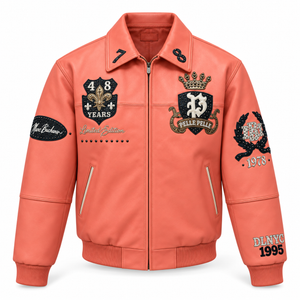
Styles like leather bomber jackets provide moderate warmth while remaining breathable enough for mild weather. Their balanced weight allows wearers to stay comfortable during temperature shifts without feeling restricted.
This versatility is what makes certain materials ideal for everyday outerwear.
Why Structure Influences Comfort
Comfort is not determined solely by warmth or breathability. The structure of a garment also affects how it feels during movement.
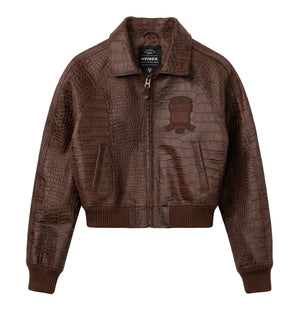
Leather jackets are designed to maintain shape while gradually adapting to the wearer’s body. Over time, the material softens and molds naturally, improving comfort without losing durability.
This ability to evolve with wear is one reason leather remains a preferred material for long-term outerwear.
Men’s and Women’s Outerwear Performance
Material science influences all outerwear designs regardless of style. Both men’s leather jackets and women’s leather jackets rely on similar principles of insulation, airflow, and structural balance.
The goal remains the same: creating jackets that maintain comfort across different environments and daily activities.
Why Synthetic Fabrics Often Feel Different
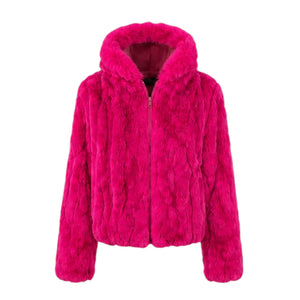
Many modern jackets use synthetic fabrics designed primarily for lightweight insulation. While these materials can provide warmth, they often trap heat and moisture more aggressively.
This can create discomfort when transitioning between outdoor and indoor environments. Natural materials tend to regulate temperature more gradually, allowing the body to adjust more comfortably.
Understanding these differences helps explain why certain jackets feel wearable for longer periods.
Material Choice as a Balance of Function and Style
Fashion comfort is not achieved through a single material. Instead, it comes from thoughtful combinations that balance insulation, breathability, and durability.
Leather jackets illustrate this balance particularly well. Their ability to block wind, maintain structure, and regulate temperature makes them adaptable across multiple seasons.
Final Thoughts: Why Material Knowledge Improves Fashion Choices
The science of clothing comfort reveals that materials play a critical role in how garments perform. Warmth, breathability, and structure work together to determine whether clothing feels comfortable throughout the day.
Understanding these principles allows consumers to choose garments that support both style and practicality. To explore outerwear designed with this balance in mind, visit Daniel’s Leather NYC and discover jackets crafted for comfort as well as timeless style.