



Sustainable Fashion Beyond Labels: How to Shop Smarter in 2026
Sustainability has become one of the most discussed topics in fashion, yet it is also one of the most misunderstood. Labels such as eco friendly, green, and sustainable appear frequently in marketing campaigns, but these terms do not always reflect how clothing is produced or how long it actually lasts.
In 2026, smarter fashion choices are no longer about following labels alone. Consumers are increasingly looking beyond marketing claims and focusing on durability, responsible purchasing habits, and long term wardrobe value. A garment that lasts for years often has a far smaller environmental impact than one that needs to be replaced every season.
At Daniel’s Leather NYC, sustainability is viewed through the lens of craftsmanship and longevity. Clothing designed to remain wearable for years naturally reduces waste and encourages thoughtful consumption.
Why Sustainability in Fashion Is Evolving
The fashion industry has long been associated with rapid production cycles. Fast fashion introduced a system where trends changed quickly and garments were designed for short term use. This model created enormous clothing waste and encouraged constant replacement rather than long term use.
As consumers became more aware of this impact, attitudes began to shift. In 2026, more shoppers are prioritizing clothing that offers durability and timeless design. Rather than buying many items each year, people are building wardrobes with fewer pieces that can adapt to different occasions.
This shift has led to renewed interest in materials and garments known for longevity.
Looking Beyond Marketing Labels
Sustainability claims are often based on branding rather than actual garment lifespan. Some materials marketed as environmentally friendly may still require frequent replacement due to limited durability.
The true measure of sustainable fashion lies in how long clothing remains wearable. Garments that maintain their structure, appearance, and comfort over time reduce the need for constant production and disposal.
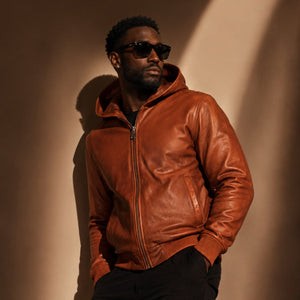
High quality outerwear is a good example of this principle. A well crafted leather jacket can remain part of a wardrobe for many years, often improving with age rather than deteriorating.
Durability as the Core of Sustainable Fashion
Durability plays a major role in responsible consumption. Clothing that lasts longer reduces resource usage and waste generation over time. This principle is increasingly recognized by consumers who prefer investment pieces rather than disposable trends.
Leather jackets illustrate this concept particularly well. When properly maintained, leather develops character rather than showing wear. This allows jackets to remain relevant across changing fashion cycles.
As a result, garments designed for durability naturally align with modern sustainability goals.
The Value of Timeless Design
Fashion trends change rapidly, but timeless designs remain relevant for decades. When clothing is chosen for long term wear rather than seasonal popularity, wardrobes become more stable and less wasteful.
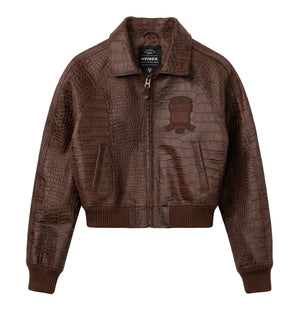
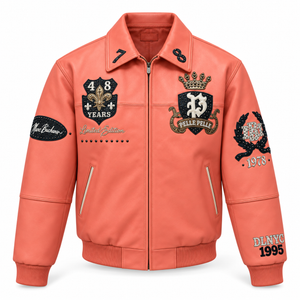
Classic outerwear silhouettes such as leather bomber jackets or biker leather jackets have maintained their appeal across generations. Their ability to adapt to evolving styles ensures they continue to be worn rather than replaced.
Timeless design encourages people to keep clothing longer and use it more frequently.
Seasonal Versatility and Smart Purchasing
Another factor in sustainable fashion is versatility. Clothing that works across multiple seasons reduces the need for large wardrobes filled with single purpose garments.
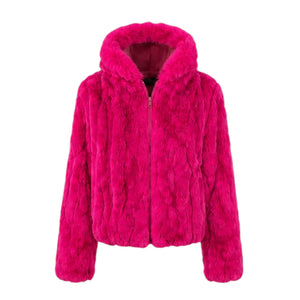
For example, outerwear designed for colder climates often combines warmth with durability. Shearling leather jackets provide natural insulation while maintaining a timeless aesthetic, allowing them to function as both winter protection and long term wardrobe staples.
When garments serve multiple roles, they are worn more often and replaced less frequently.
Caring for Clothing to Extend Lifespan
Sustainable fashion also depends on how clothing is cared for. Proper storage, maintenance, and occasional conditioning help garments maintain their structure and appearance over time.
Leather jackets are particularly well suited to this approach. With simple care, they can remain comfortable and visually appealing for decades.
This ability to restore and maintain clothing further reduces the environmental impact associated with frequent replacements.
Thoughtful Wardrobes for Men and Women
Responsible fashion choices apply to every wardrobe. Both men’s leather jackets and women’s leather jackets can serve as long term outerwear solutions when chosen carefully.
Selecting garments that complement multiple outfits and seasons encourages more consistent use, which ultimately supports more sustainable consumption habits.
Why Conscious Fashion Choices Matter in 2026
Modern fashion is moving toward a more thoughtful approach. Consumers are becoming more selective about what they buy, focusing on materials, craftsmanship, and versatility.
This shift does not eliminate style or creativity. Instead, it encourages purchases that combine aesthetic appeal with long term practicality.
By prioritizing durability and timeless design, buyers contribute to a more balanced fashion ecosystem.
Final Thoughts: Shopping Smarter for a Sustainable Wardrobe
Sustainable fashion in 2026 is about making informed decisions rather than relying solely on labels. Durability, versatility, and quality craftsmanship remain the most reliable indicators of responsible clothing.
Garments designed to last naturally reduce waste and promote thoughtful consumption. To explore outerwear crafted with longevity and timeless design in mind, visit Daniel’s Leather NYC and discover jackets created for wardrobes that value quality over constant replacement.