


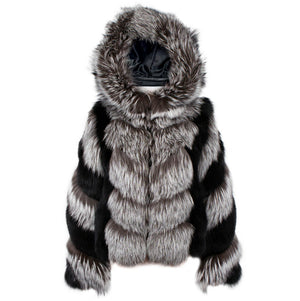
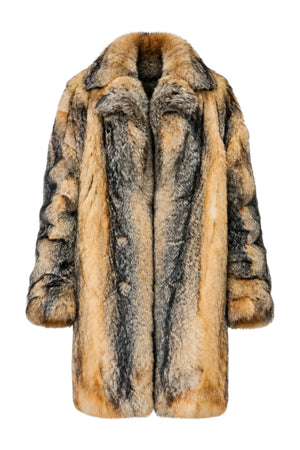


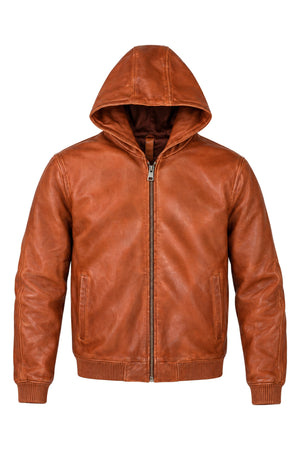

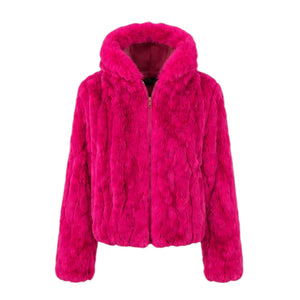
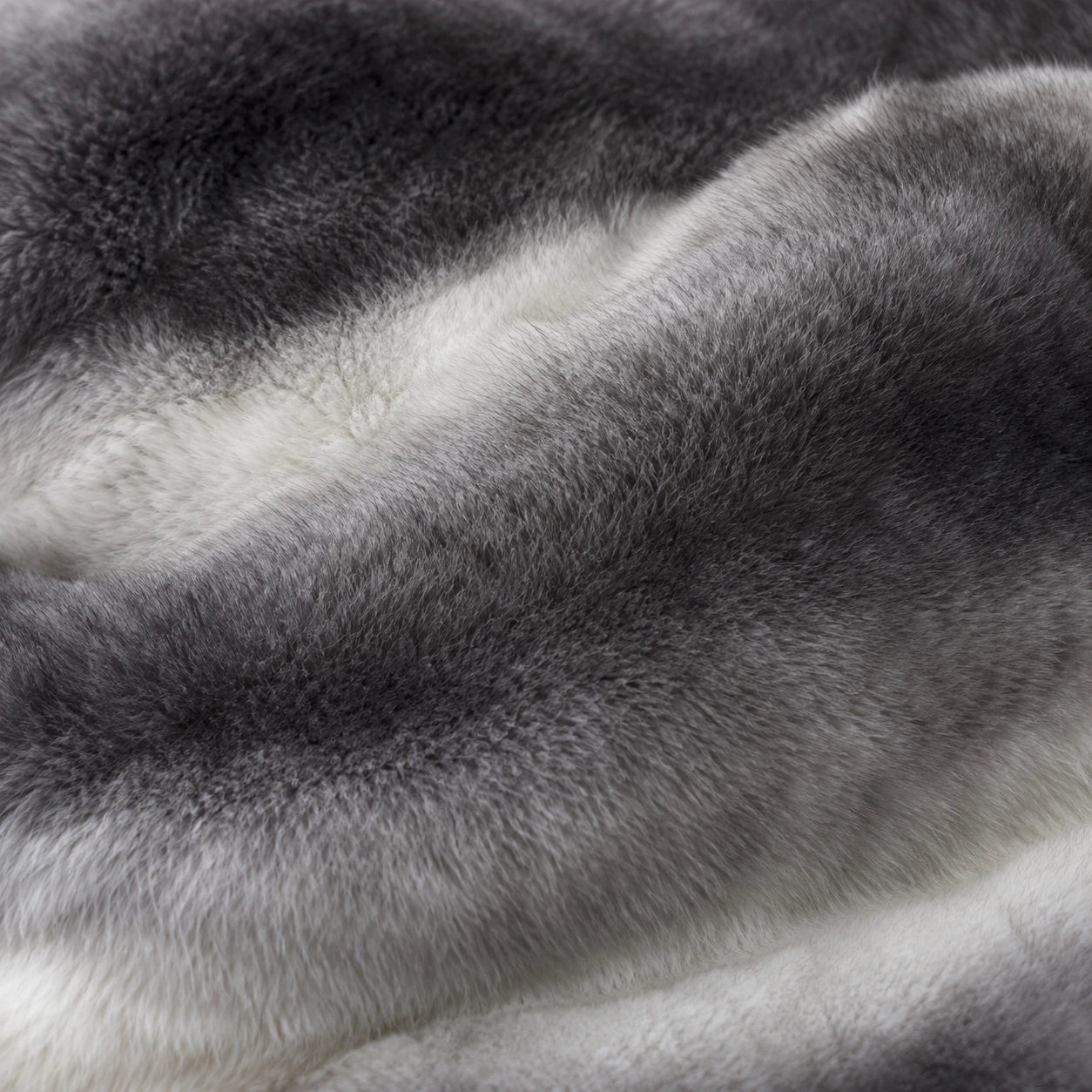
- Feel
- Exceptionally soft, plush, delicate
- Best for
- Special-occasion jackets and softly framed necklines
- Care
- Keep dry; avoid rubbing, brushing and direct heat.
Texture. Character. Care.
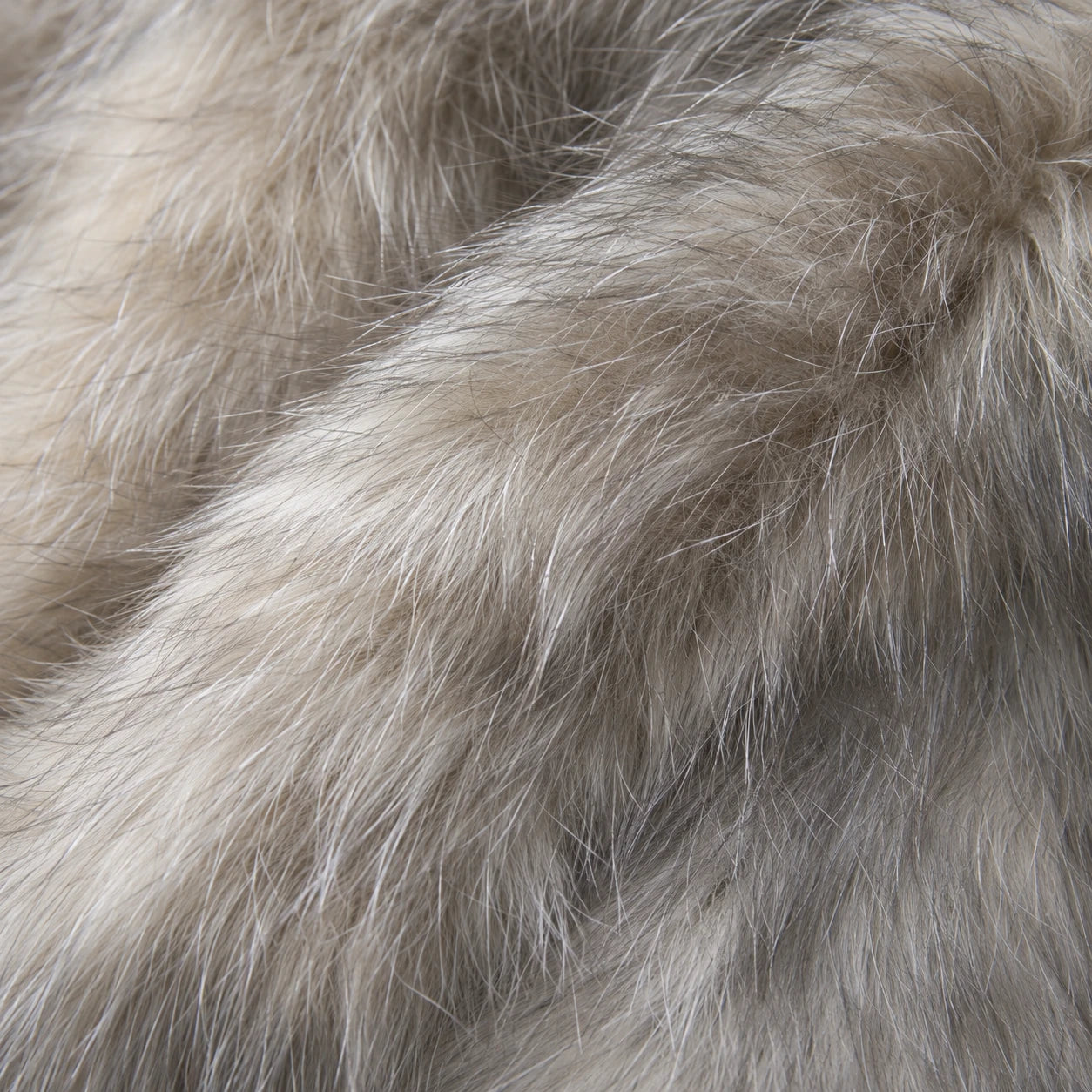
FUR / LONG PILE
Long guard hairs over soft underfur give fox its generous volume and movement.
Colour forms and trade varieties; natural shades vary.
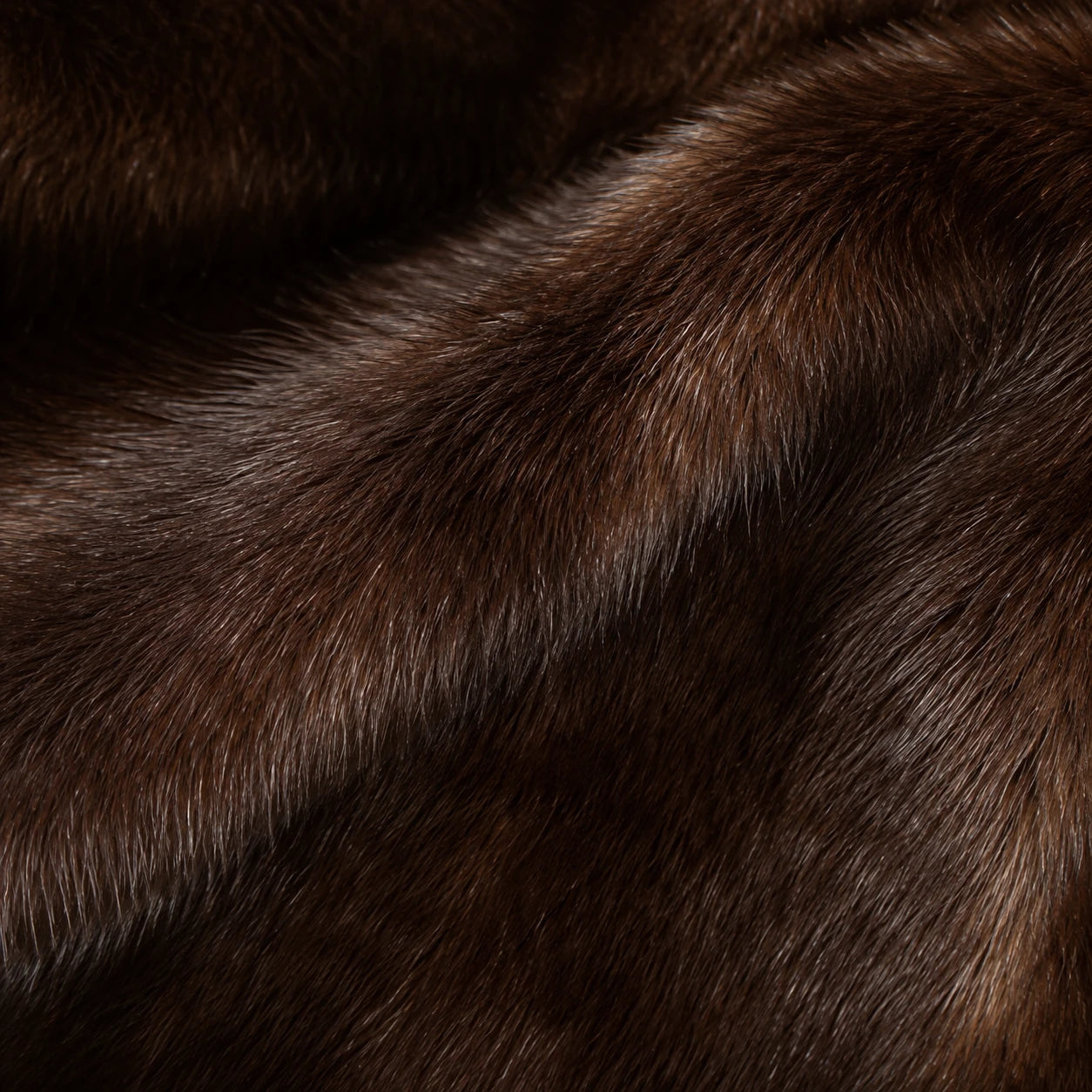
FUR / CLOSE PILE
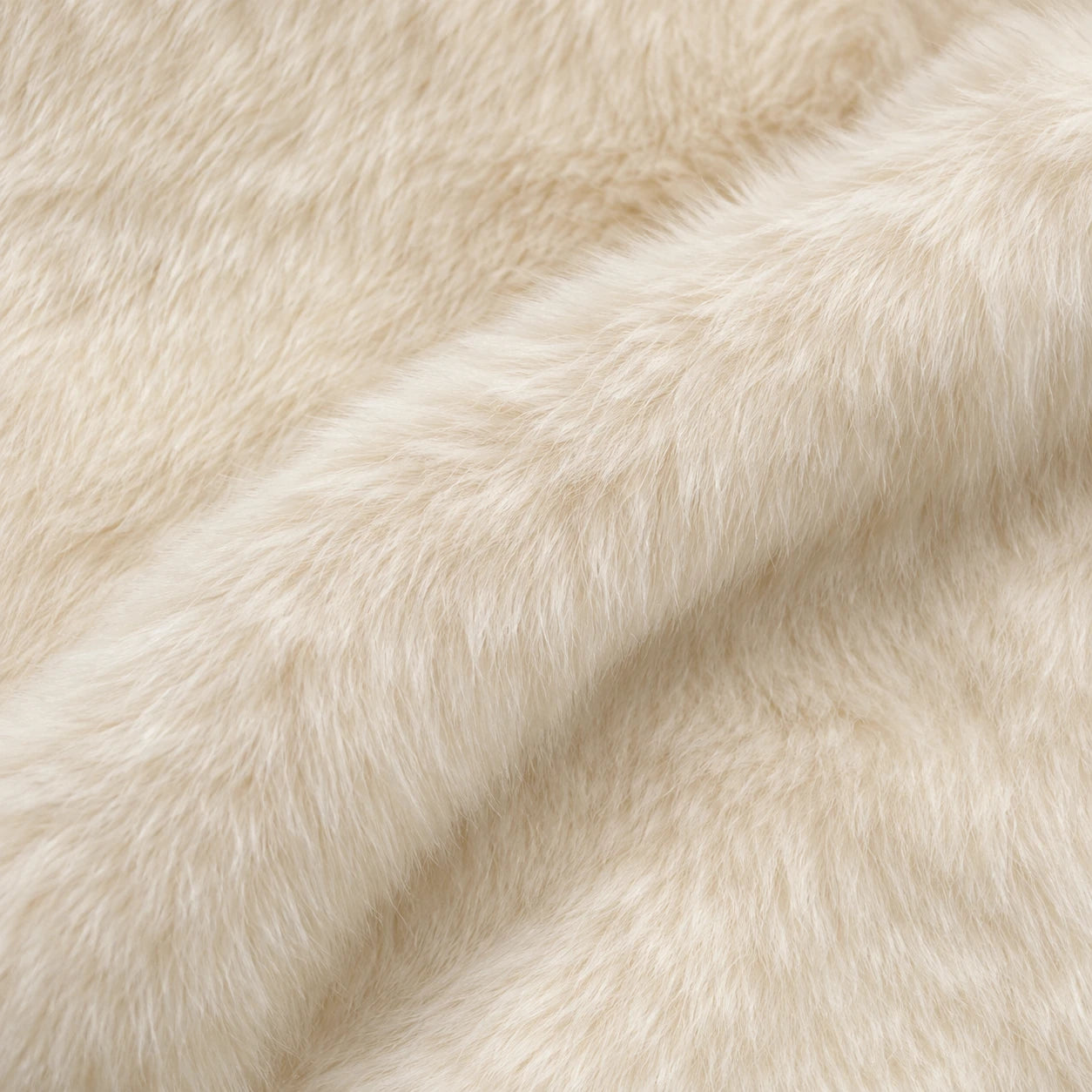
Dense, close pile catches the light with a soft sheen and a clean outline.
Illustrative natural colours. Ask us about the exact piece.
Different textures, at a glance.

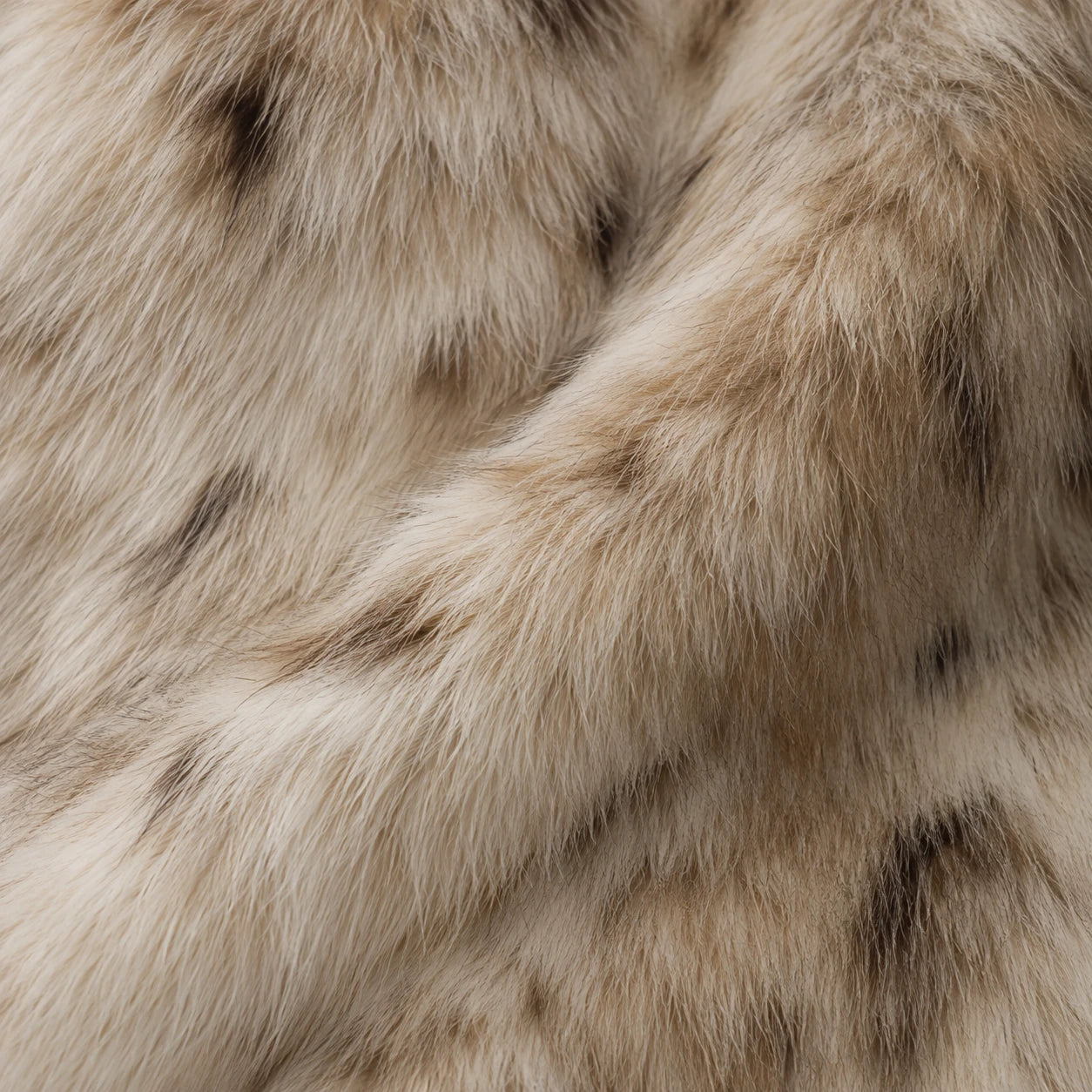
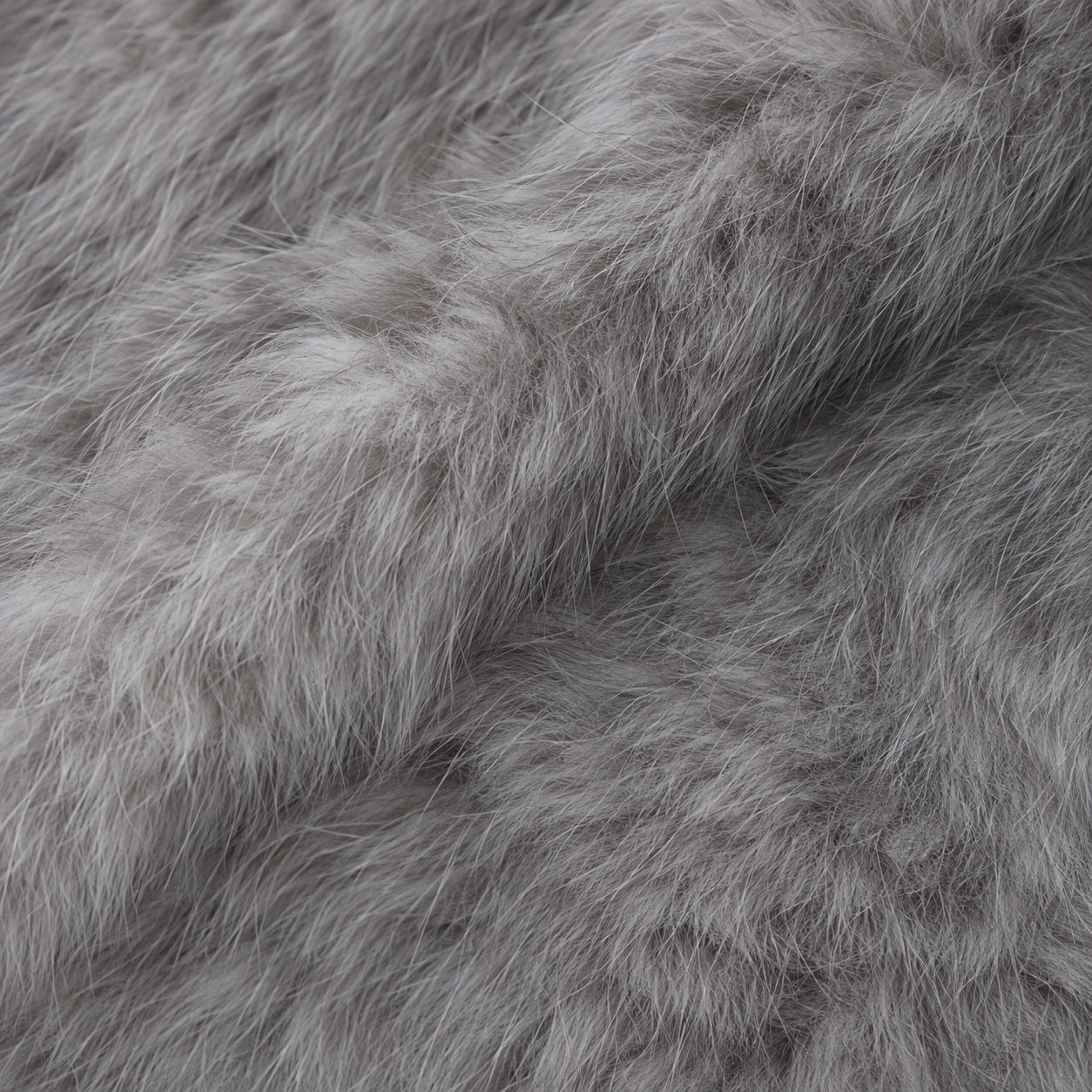
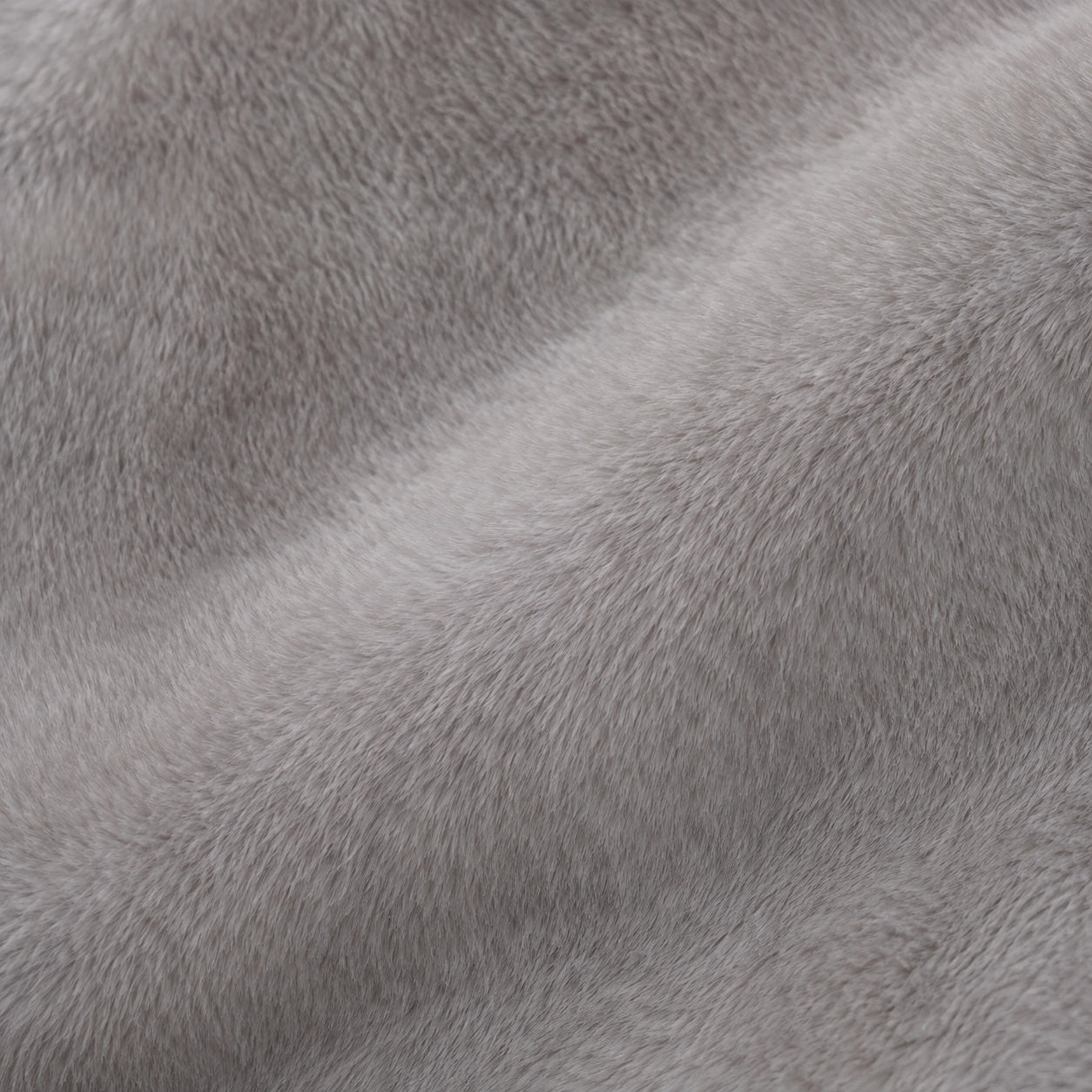
Rex is rabbit, including chinchilla-coloured Rex. Genuine chinchilla is a different fur.



A TEXTILE ALTERNATIVE
A textile pile that can be close and velvety, long and flowing, or boldly coloured.
Faux mink and faux chinchilla describe a look, not the animal material.
Material & care guideThree things to remember.
Use a broad hanger, leave space around the pile and avoid tight plastic covers.
Avoid radiators, direct sprays and persistent rubbing; air-dry light dampness naturally.
Use a furrier for stains, repairs and seasonal storage advice.
Follow the garment label first. Body, trim and lining may need specialist care together.
Start with softness, grain and structure.
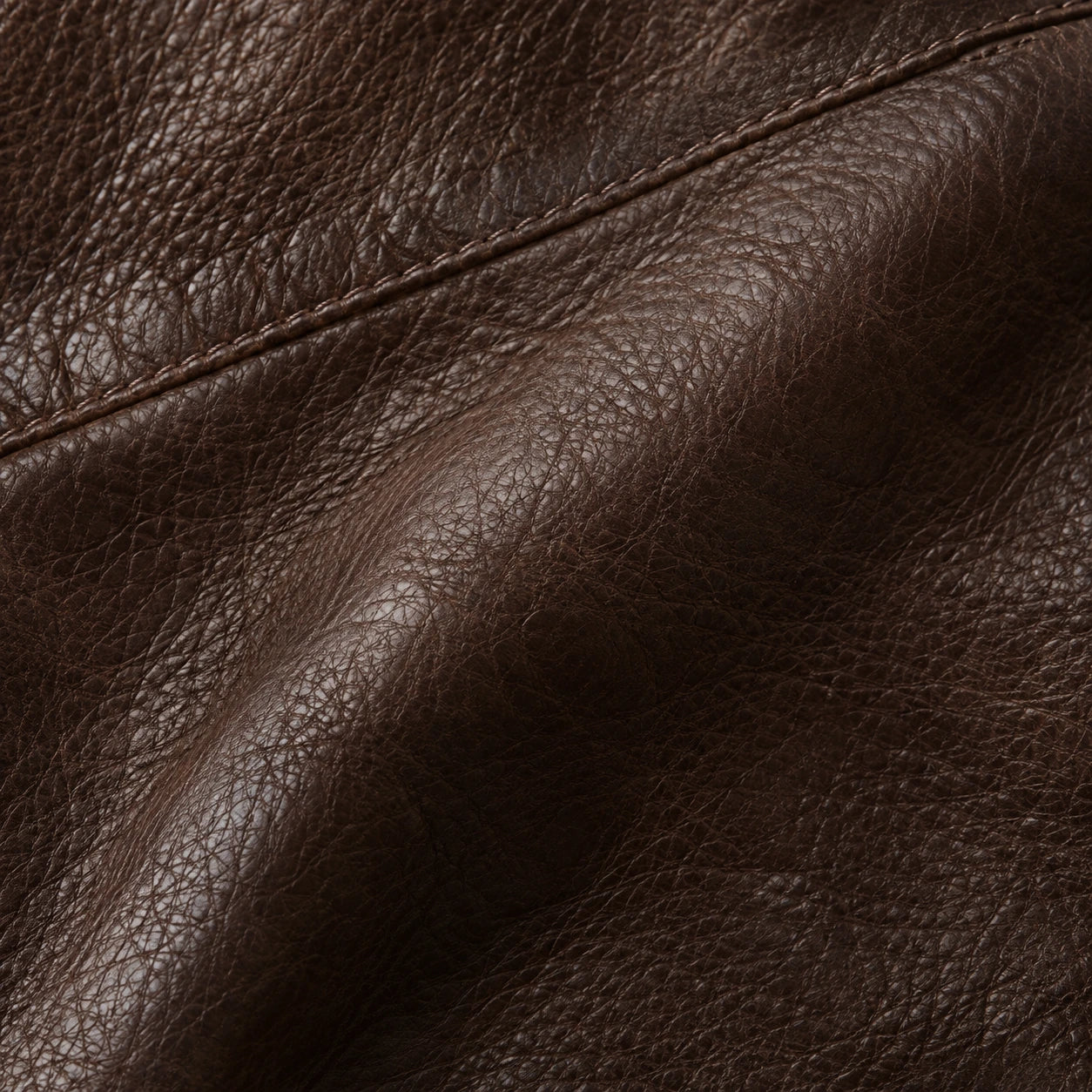
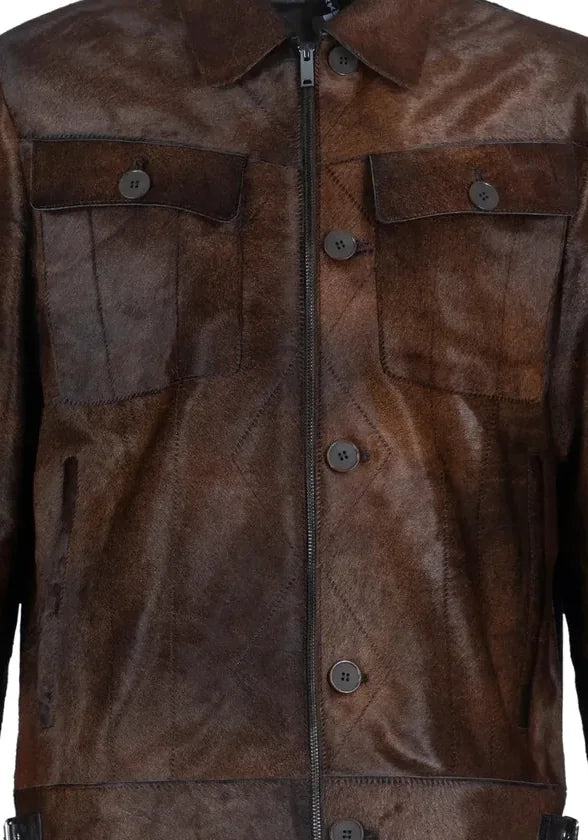
Our pony skin is cowhide tanned with the natural hair left on.
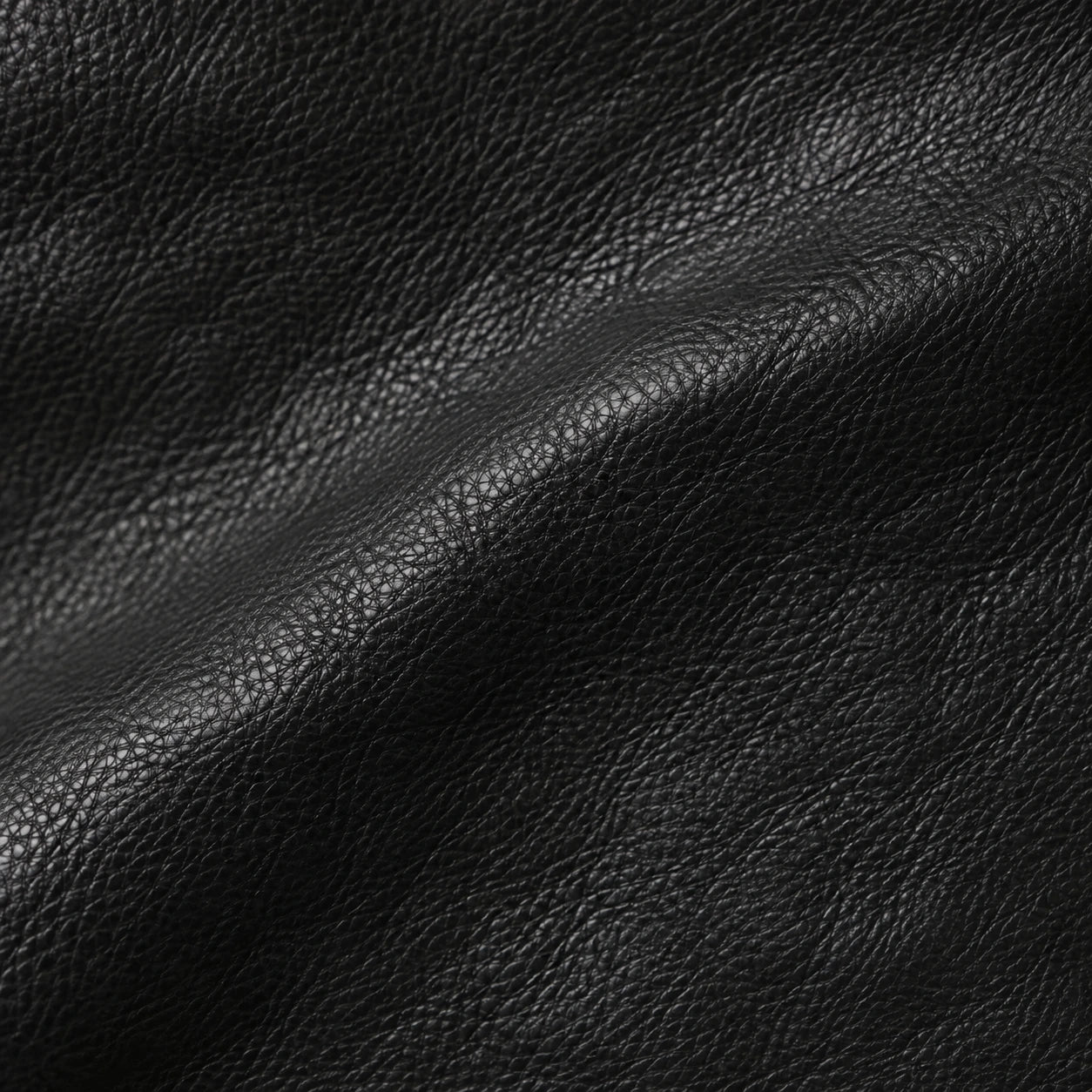
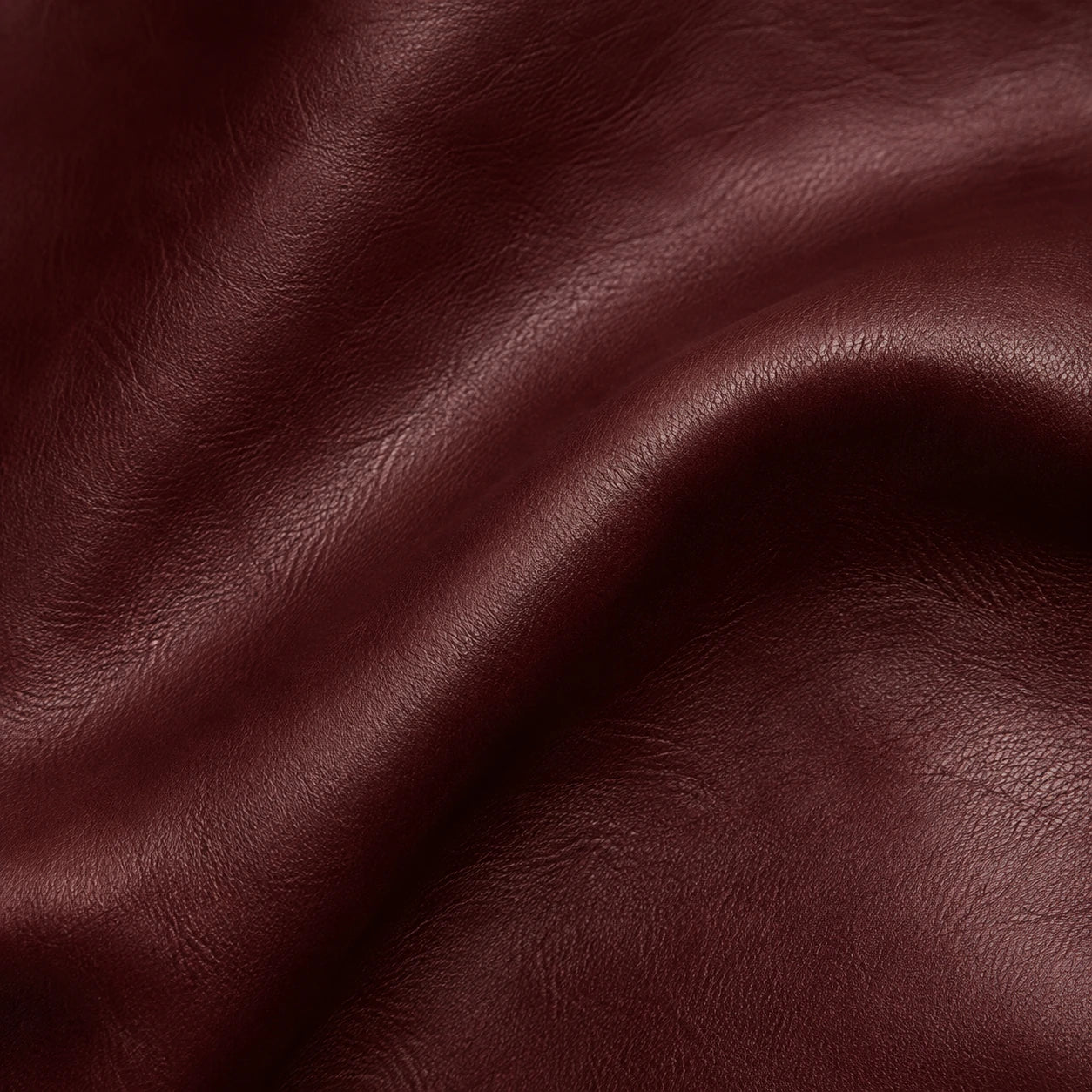
The hide and its surface both shape the feel.



A TEXTILE ALTERNATIVE
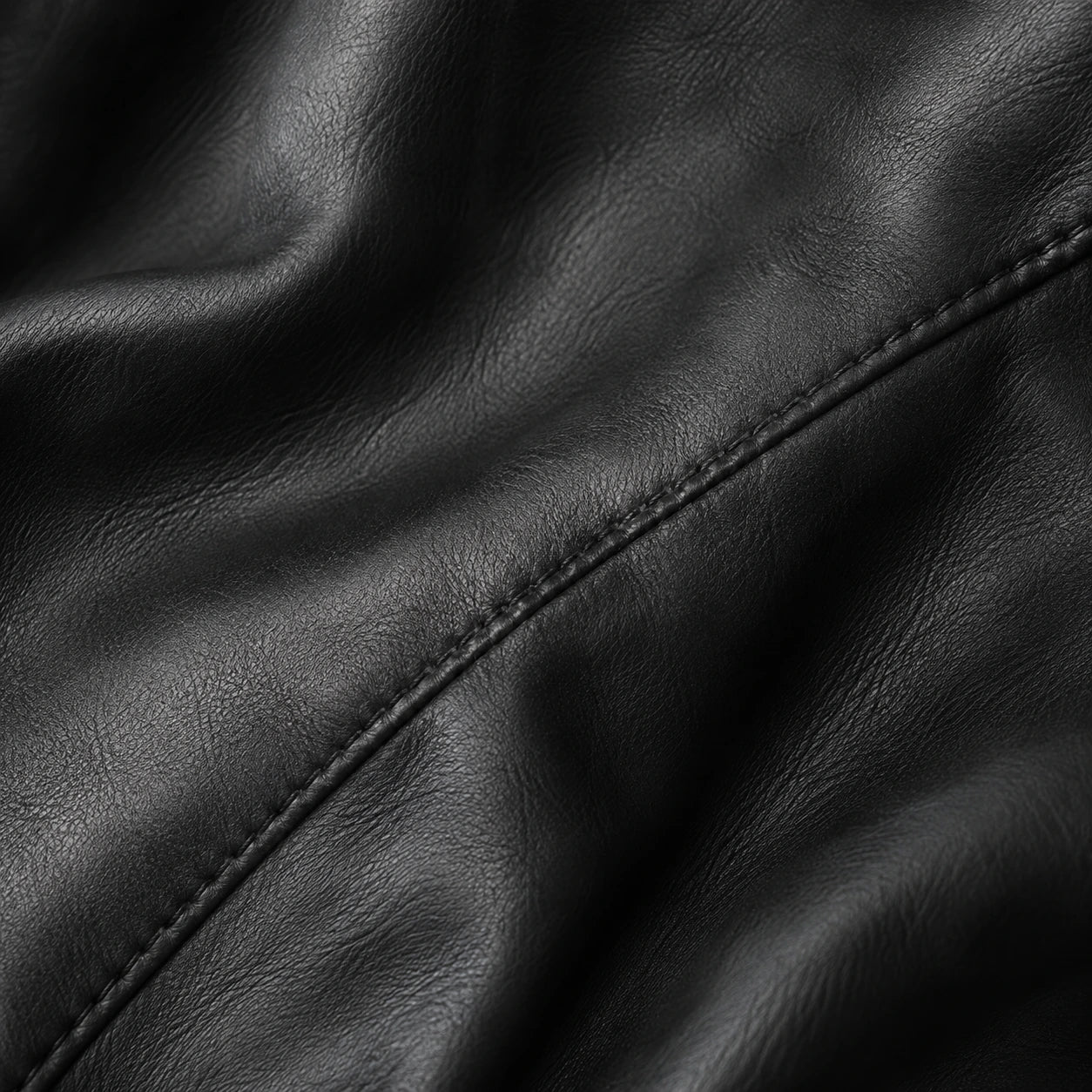
An alternative to animal hide, with feel and flexibility determined by its coating and backing.
Check the complete composition, including lining and trim; coatings need their own care.
Material & care guideThree things to remember.
Hang on a supportive hanger, away from strong sunlight and direct heat.
Blot lightly without rubbing, then let the jacket dry naturally.
Use only suitable products; suede, hair-on leather and python need different care.
Follow the garment label first. Body, trim and lining may need specialist care together.

SHEARLING / TWO NATURAL SIDES
Natural wool stays attached to the skin. The outer face and length of the fleece shape how the piece looks and feels.
Wool-out does not always mean reversible. Check the exact piece.
From flowing lengths to a compact pile.

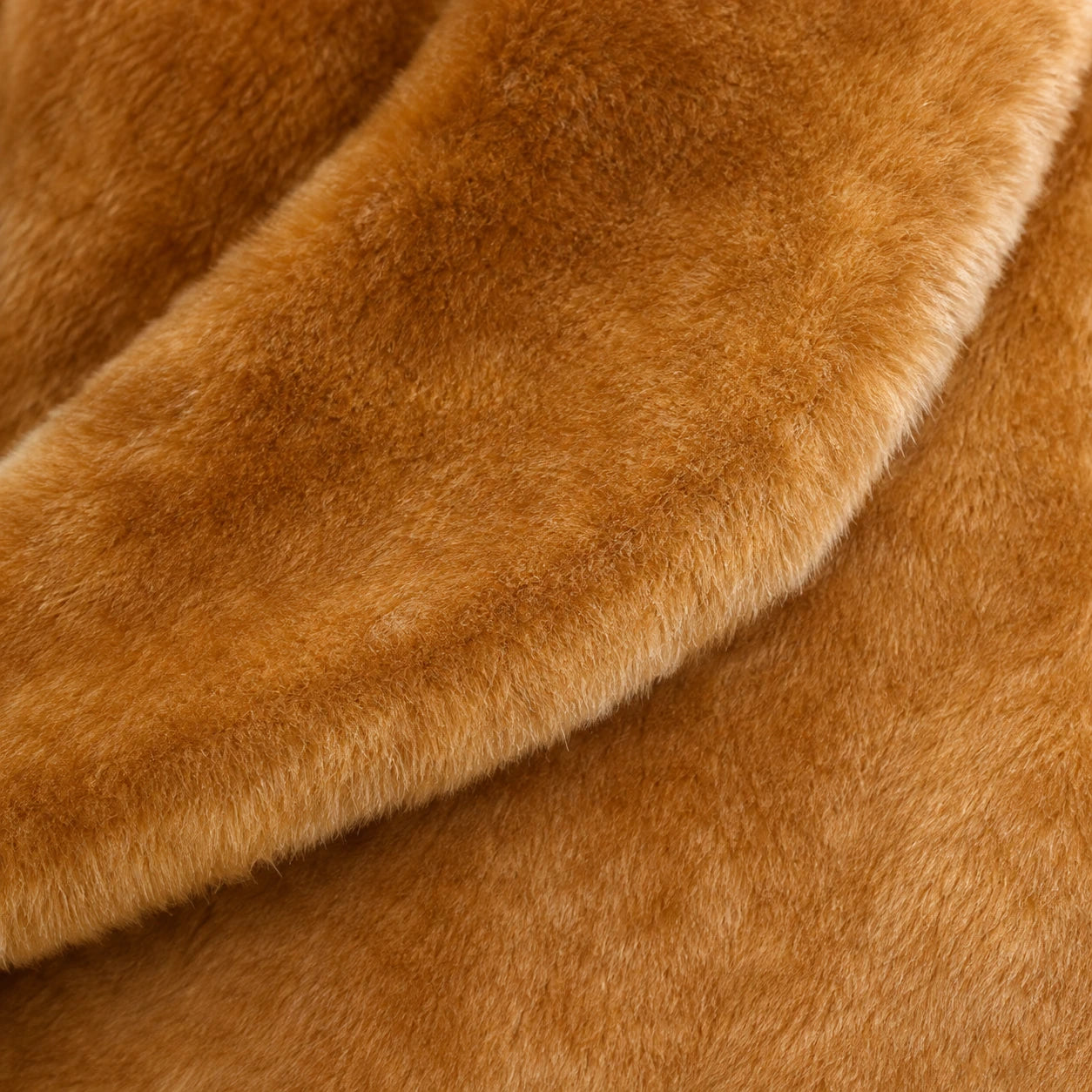
Ask our team which skin your piece uses.
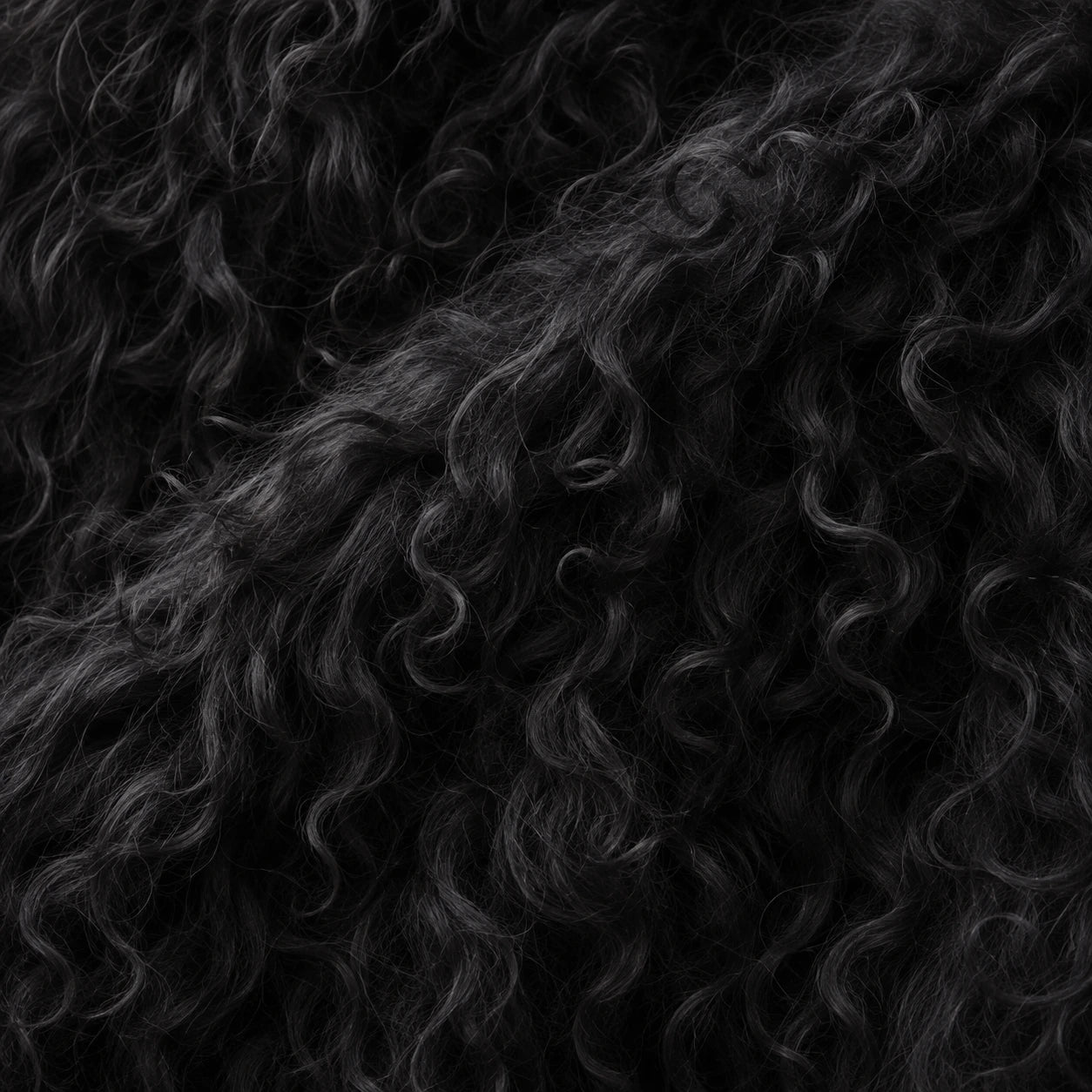
Dense, close curls. The wool may be left curly, pressed or shorn.
A finer, lighter shearling quality with a softer, more delicate feel.
A supple shearling quality, often chosen for a fluid drape.
Wider-market qualities, included for reference.
Three things to remember.
Leave space on a broad hanger, away from sunlight, heat and plastic storage.
Blot light moisture gently. Keep wet skins away from brushing and direct heat.
Choose a shearling specialist for stains, salt marks or soaked areas.
Follow the garment label first. Body, trim and lining may need specialist care together.
Tell us what you like. We’ll help you find the right feel.
AI texture studies are illustrative placeholders. Collection details show actual Daniel’s Leather pieces. Natural colour and texture vary.

Leather & finishes
A gently napped, velvety surface with the body of a leather garment.
Buffalo suede brings together a named hide and a particular surface treatment. The suede face has a fine nap: tiny raised fibres that catch the light softly instead of reflecting it like a smooth, polished leather. Colour can appear lighter or darker as that nap changes direction.
Daniel’s Leather presents this material in a buffalo skin suede moto jacket, combining the familiar lines of a biker silhouette with a quieter, matte texture. The look is tactile and substantial without relying on shine. Buffalo is the material description for this piece; it should not be read as a promise of a particular origin or bison species.
Suede shows water marks and compressed areas of nap more readily than many coated leathers. It is best chosen when you can protect it from heavy rain.
Protect the nap instead of treating it like smooth leather.
A matte, textured alternative to a smooth leather moto.
Composition and care vary by garment. Check the product details and care label, or ask our team about your piece.
Wool & textiles
Potentially soft and fine, with the exact hand determined by the blend and construction.
Cashmere is a fine fibre from the undercoat of cashmere goats. In a blend, it is combined with other fibres, and the proportions influence the finished textile’s hand, body and care needs. The word cashmere alone does not mean a fabric is pure cashmere or describe how much of it is present.
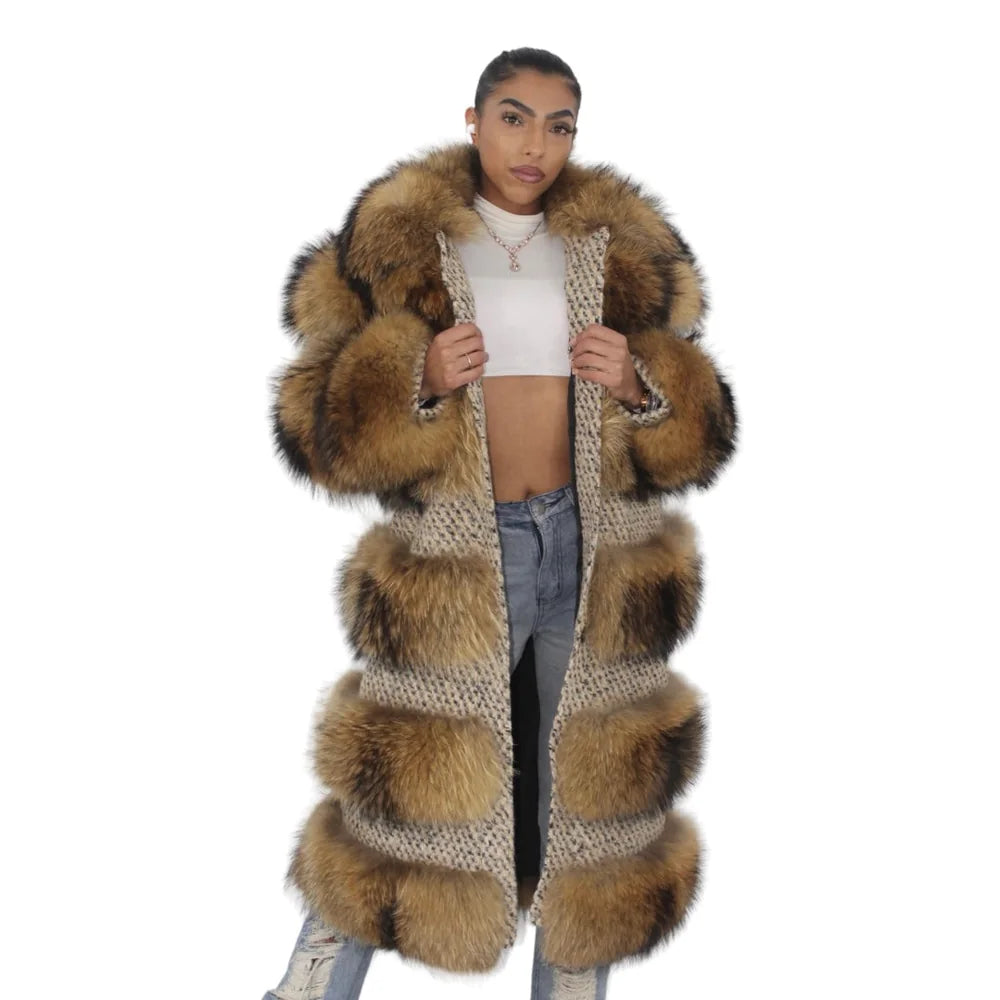
The Natural Fox Long Coat mentions a cashmere blend alongside fox fur. For this piece, the team can confirm the fibre percentages and where the blend is used before you choose. That detail helps you understand the contrast of materials and the feel of the actual garment.
Ask the team for the blend composition and its placement in the garment. These details are needed to understand the specific piece rather than assuming a pure-cashmere body.
Confirm the composition and follow care instructions for the whole mixed-material piece.
A considered textile-and-fur combination after confirming the exact composition.
Composition and care vary by garment. Check the product details and care label, or ask our team about your piece.

The finishing touches
Varied by technique, from smooth stitched lines to plush raised patches.
Chenille, embroidery and appliqué are different ways of building decoration onto a garment. Chenille has a raised, textured yarn character; embroidery creates artwork through stitching; appliqué places a separate shape or panel onto the surface. A design can combine more than one technique for depth and contrast.
In the collection, these details are central to varsity jackets and many graphic leather pieces. A wool-and-leather basketball varsity, for example, uses embroidered chenille patches to bring the artwork forward. Look at the relationship between the decoration and its base material, because the most delicate attachment may determine how the complete piece should be handled.
Threads, patch edges and raised yarn can catch on rough surfaces. The fibre and attachment method vary, so decorative areas deserve a lighter touch.
Preserve the artwork’s edges, yarn and attachment points.
Varsity identity and expressive artwork on leather or wool.
Composition and care vary by garment. Check the product details and care label, or ask our team about your piece.
Fur
Very fine and softly plush, with a delicate surface.
Explore chinchilla & rexChinchilla is prized for a very fine, densely plush surface and exceptional softness. Classic grey pieces show subtle light and dark tones, while dyed versions offer other colours. The fine surface calls for gentle handling, especially where it might meet a bag strap, jewellery or repeated friction.
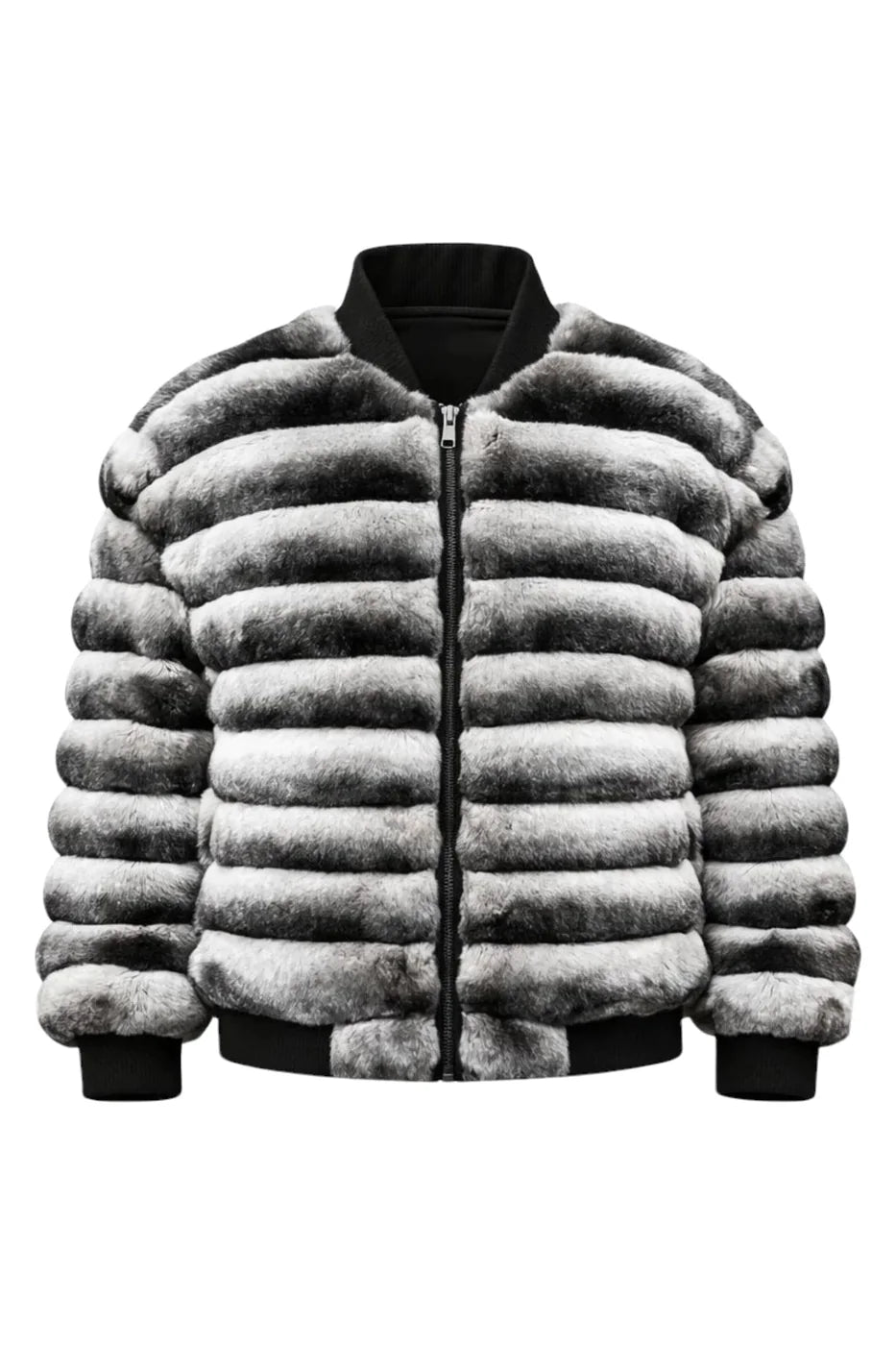
Daniel’s Leather features genuine chinchilla in complete pieces such as a baseball bomber and as collars on other materials. Chinchilla-colour Rex remains rabbit fur, and faux chinchilla is another material entirely. In mixed pieces, read the body and trim separately; colour or a photograph alone cannot authenticate the fur.
The fine surface deserves particularly gentle wear and professional care. Protect it from concentrated friction and avoid treating it as an all-weather material.
Minimise pressure and abrasion on the fine fur.
A special statement piece or an exceptionally soft contrasting collar.
Composition and care vary by garment. Check the product details and care label, or ask our team about your piece.
A CLOSER UNDERSTANDING
Fine, densely plush fur and layered grey tones give chinchilla its distinctive appearance. Similar colour names can describe different materials.
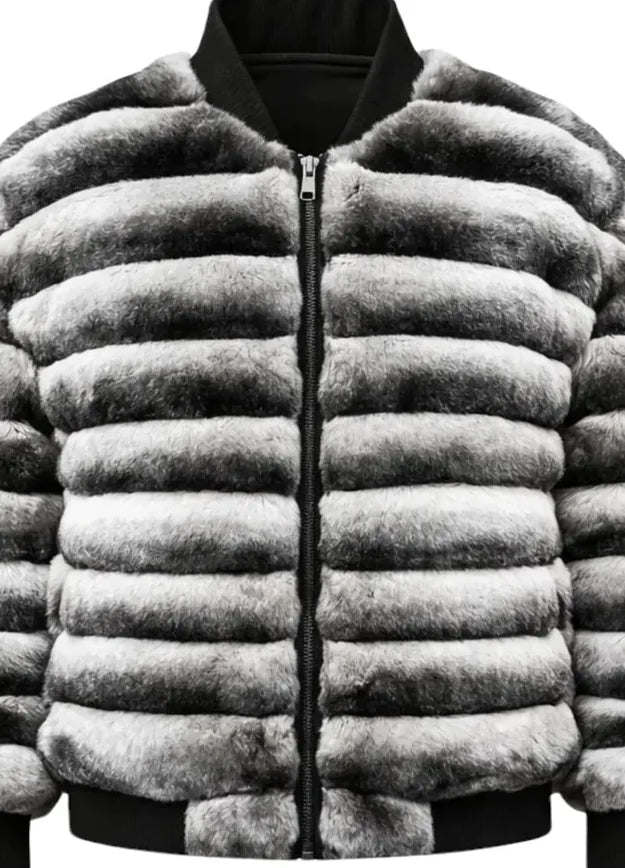
Fine, delicate fur
An exceptionally soft, densely plush surface. Classic grey examples move between pale silver and charcoal; dyed colours also exist.
View collection exampleRex rabbit
Rex rabbit can carry a similar grey-and-dark colour effect. It remains rabbit fur; the colour name does not make it chinchilla.
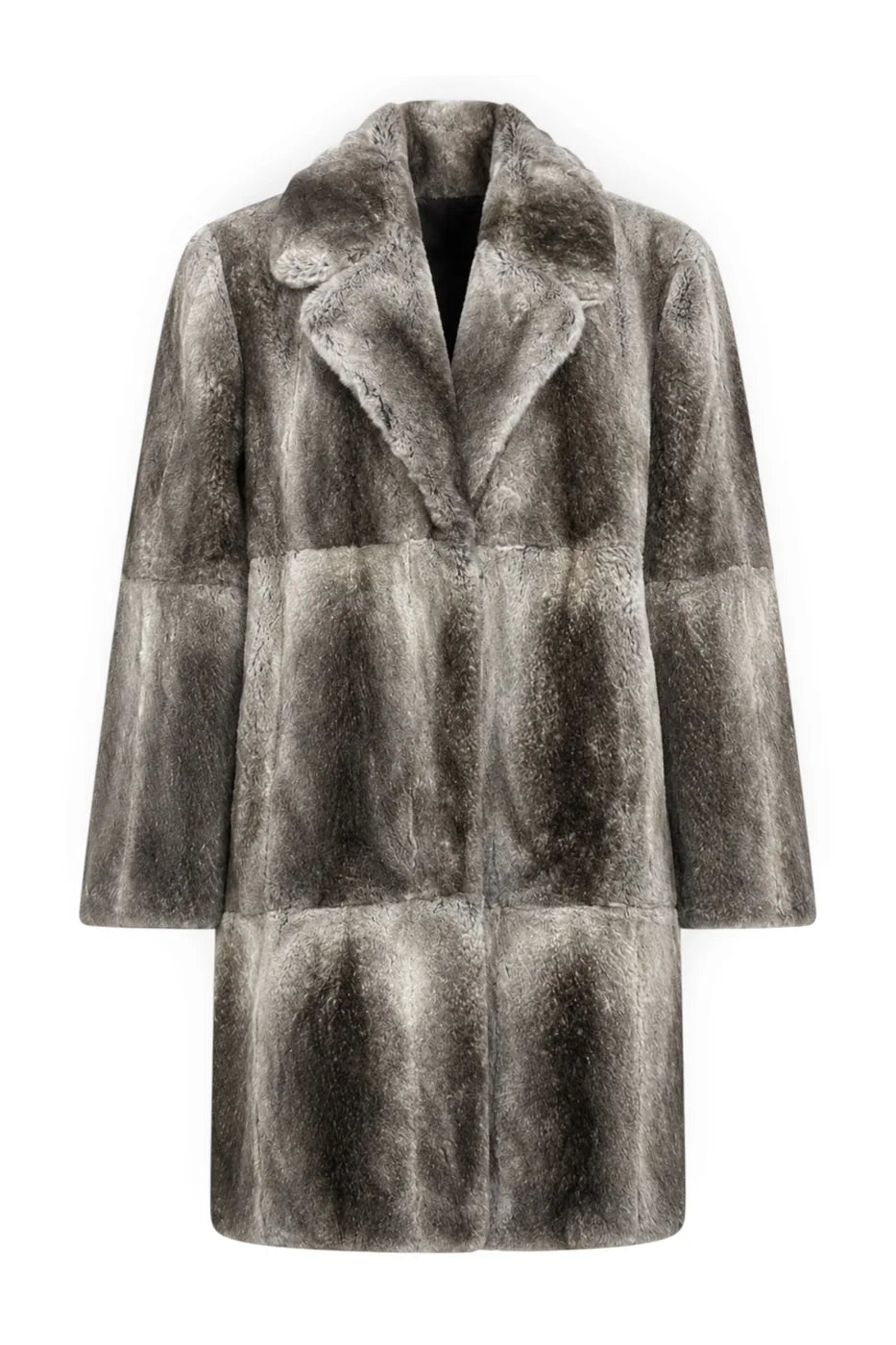
Mixed-material pieces
Our pictured peacoat combines a Rex rabbit body with chinchilla collar accents. Read each component separately in the exact garment’s composition.
View collection exampleColour or a photograph alone cannot authenticate fur. Look for clear material identification and carefully matched panels. Faux chinchilla is a different material.
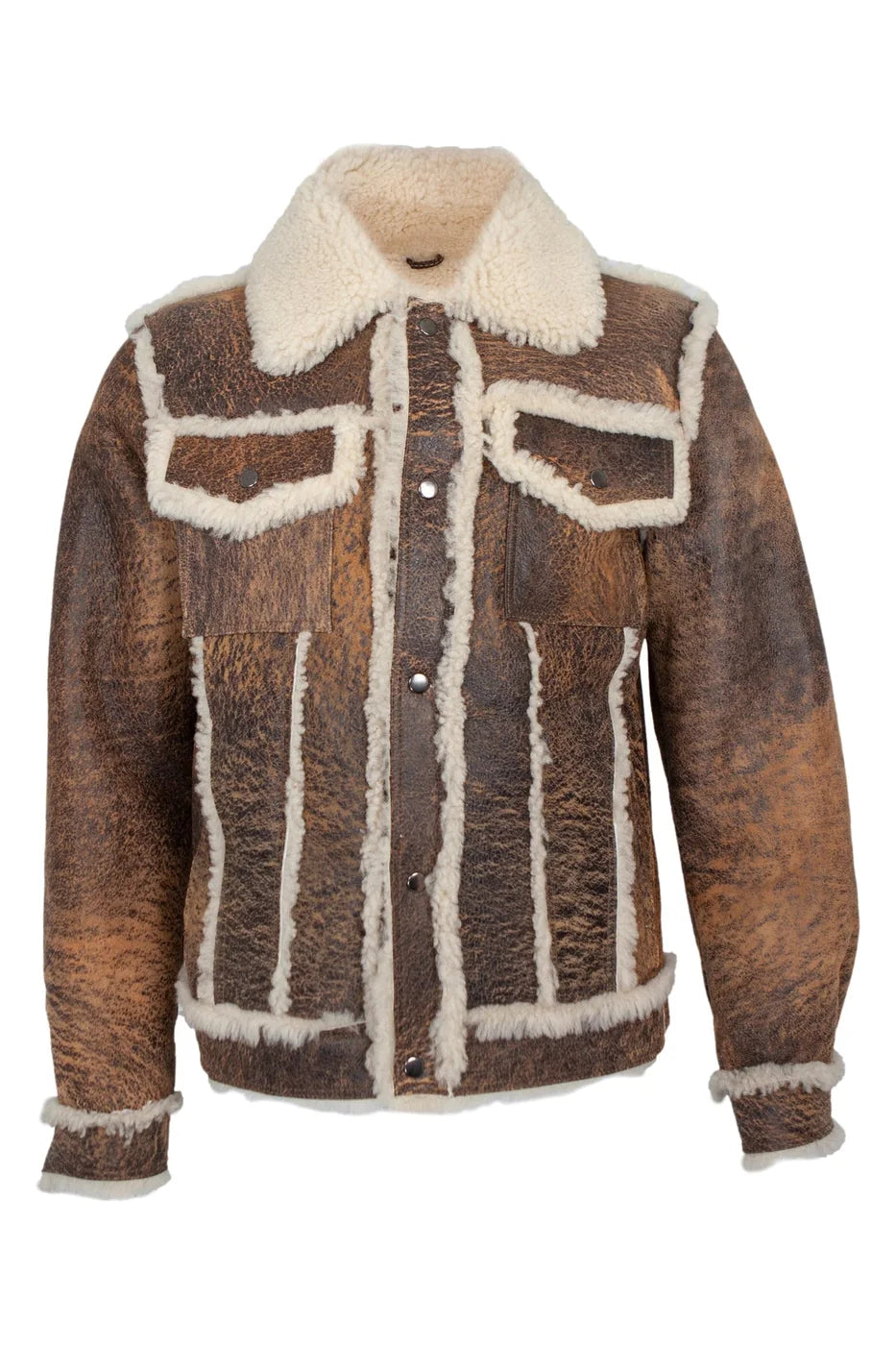
Shearling
Substantial leather outside with a soft, woolly interior.
Shearling is sheepskin with the wool retained, combining a leather surface and a woolly side in one material. In a classic arrangement, the leather faces outward and the wool sits toward the body, with fleece often visible at collars, cuffs or seams. This construction gives shearling its distinctive depth and presence.
The Piped Trucker Shearling shows how the material can work in a familiar jacket silhouette. Other styles alter the exterior finish, fleece length and proportions. These details influence weight, movement and the feeling of warmth, so choose the particular piece as carefully as the material category.
Weight and bulk vary with the skin, fleece and cut. Shearling needs care that protects both the leather and the attached wool.
Treat the leather and wool as one connected material.
Substantial outerwear with a soft wool interior and a defined silhouette.
Composition and care vary by garment. Check the product details and care label, or ask our team about your piece.

Leather & finishes
Firm and substantial at first, with a supportive structure that gradually becomes more supple.
Cowhide has a reassuring substance and a grain that gives each jacket its own character. It often feels firmer than lambskin at first, especially in heavier constructions, then becomes more comfortable as the leather moves with you. Its appeal is a strong silhouette with a surface that can develop character through wear.
In the collection, cowhide appears in tailored outerwear such as a leather peacoat with a detachable fox collar. The hide gives the body definition, while the fur changes the mood around the neckline. Thickness, tanning and finish still shape the feel of each individual piece.
Expect more initial structure than a very soft lambskin jacket. Natural grain, creasing and the way the finish ages are part of the individual piece.
Care for the finish as carefully as the hide.
A structured everyday leather jacket or a substantial tailored coat.
Composition and care vary by garment. Check the product details and care label, or ask our team about your piece.
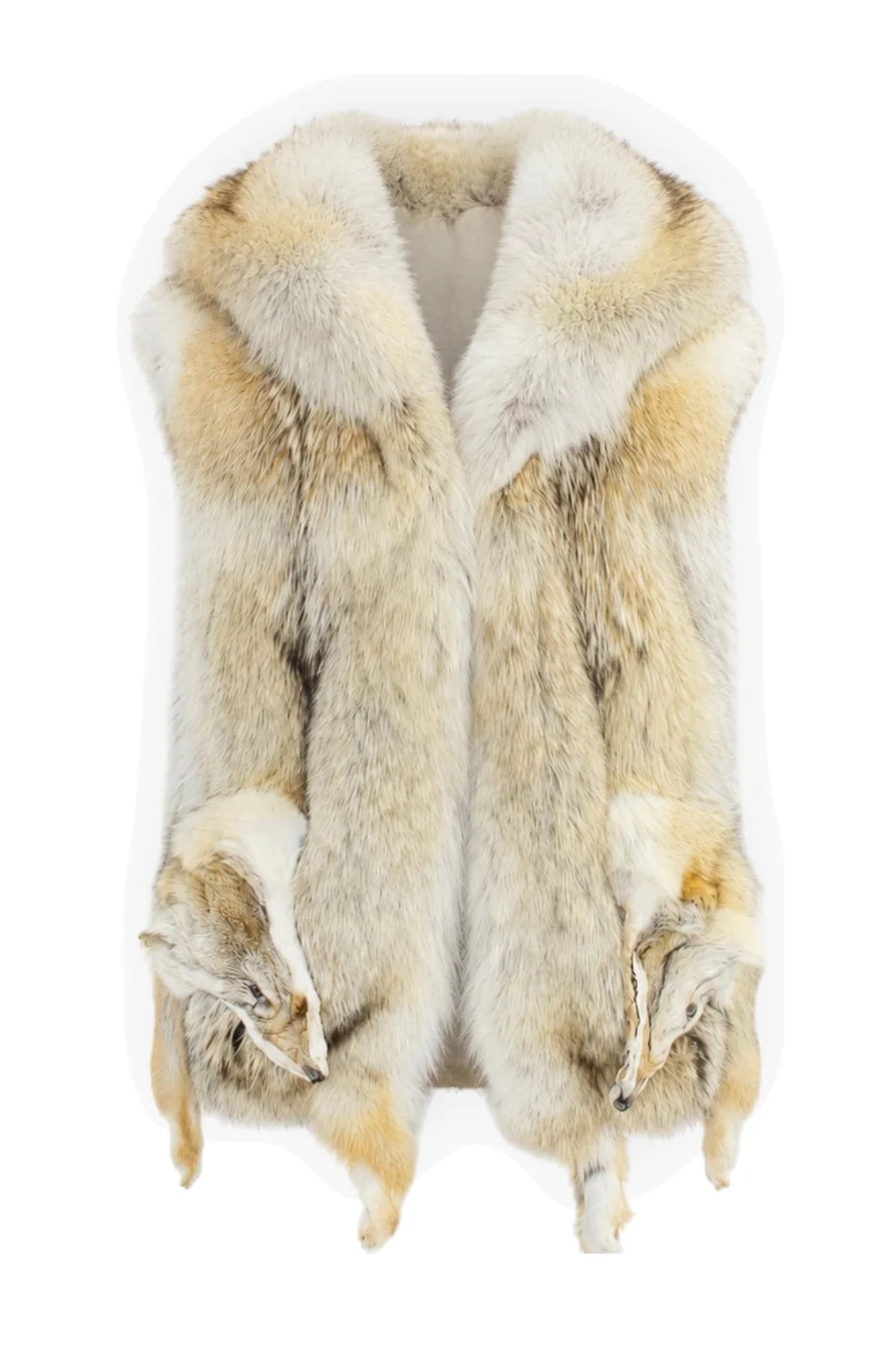
Fur
Long-haired and full, with visible texture and movement.
Coyote fur is associated with longer hair and a naturally varied appearance that gives outerwear a rugged character. The mix of tones and the direction of the hair make the material visually active, so a simple silhouette can let the texture do much of the work.
The collection includes a coyote-labelled vest with a fur hood, a shape that places the material’s volume over your own layers. For this style, ask the team to confirm the exact fur composition before ordering. That conversation can also help you choose the right balance of vest length, hood size and the layers you plan to wear beneath it.
Confirm the fur composition of the specific style with the team. Long-haired vests and hoods also need space to sit comfortably over your chosen layers.
Keep the long hair clear of rough straps and tight storage.
A long-haired statement vest with a natural-toned appearance.
Composition and care vary by garment. Check the product details and care label, or ask our team about your piece.

The finishing touches
Small, raised reflective accents set against the garment’s softer base material.
Crystals and rhinestones bring reflected light into a design, creating a changing effect as the wearer moves. Their impact depends on placement, size and the surface beneath them. A concentrated motif can feel precise, while a broader arrangement turns the entire jacket into a more luminous statement.
Daniel’s Leather carries rhinestone-detailed Pelle Pelle pieces and selected jackets specifically identified with Swarovski crystals. Swarovski is a named crystal brand, so the name applies only where the individual product states it. Regardless of the label, the attachment method and surrounding leather, textile or embroidery must all be considered when caring for the piece.
Raised embellishments can snag or loosen through pressure and rubbing. Crystal care must account for both the attachment and the material underneath.
Handle embellished areas lightly and protect their attachment points.
Statement artwork with carefully placed sparkle and dimension.
Composition and care vary by garment. Check the product details and care label, or ask our team about your piece.
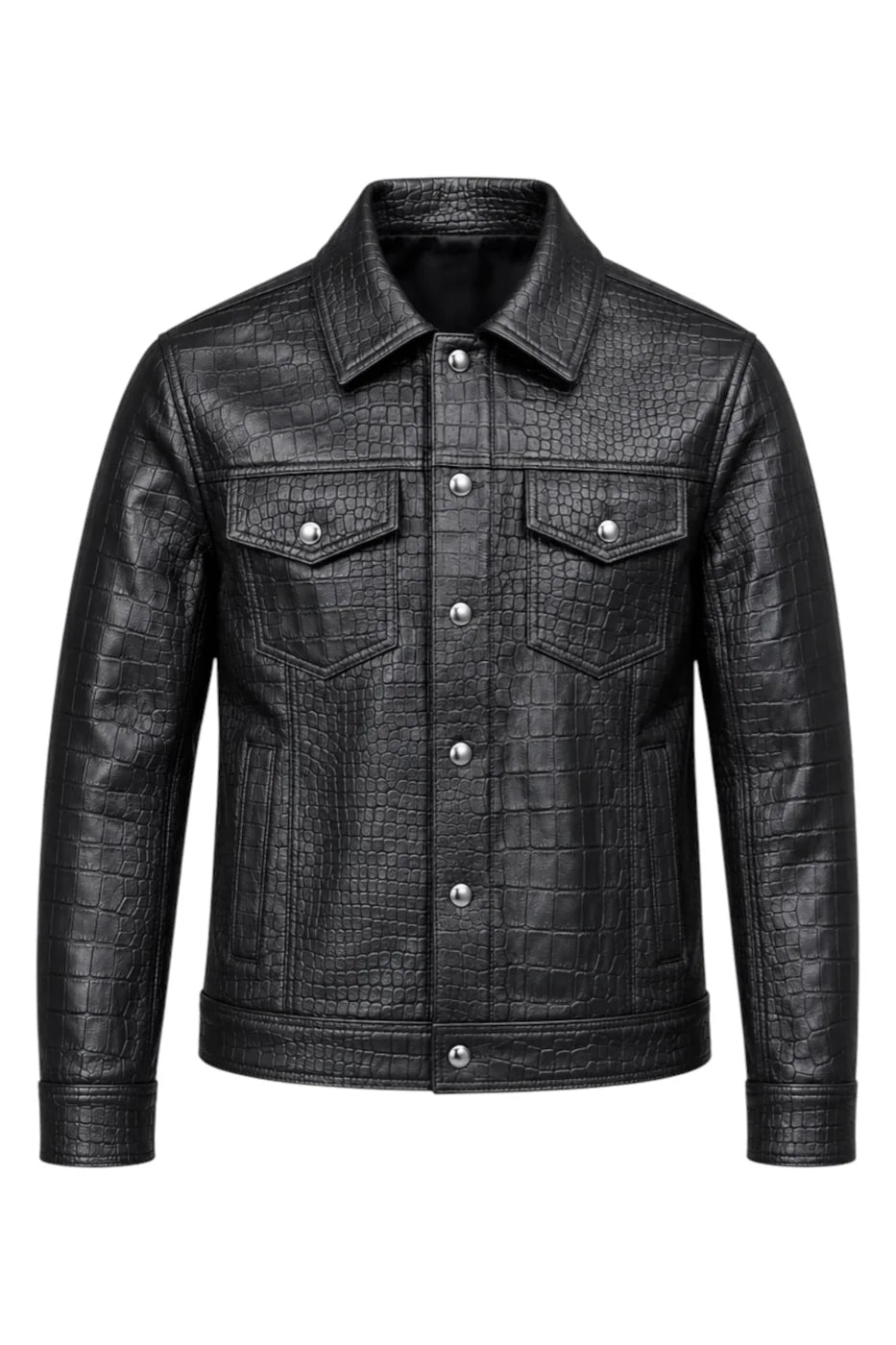
Leather & finishes
The base leather’s suppleness meets a surface that may be raised, printed or lightly coated.
Embossing presses a pattern into the leather surface; printing adds a visual motif. Both can change a jacket’s character dramatically without changing the animal from which the base leather comes. A crocodile-inspired emboss or snake print should therefore be read as a design treatment unless the composition explicitly names that skin.
The collection includes croc-embossed trucker jackets and printed leather pieces, including styles described as lambskin. Look closely at the balance between texture, colour and silhouette. A shallow pattern can feel subtle, while a bolder relief or contrasting print turns the material itself into the focal point.
Raised areas and printed coatings may show friction differently from plain leather. The base hide and the surface treatment both matter for care.
Protect the patterned finish from abrasion and unapproved cleaners.
A statement leather surface with a clearly defined pattern.
Composition and care vary by garment. Check the product details and care label, or ask our team about your piece.

Fur
Plush pile whose softness, length and weight depend on the specific construction.
Faux fur is a constructed pile material designed to create a fur-like appearance. Fibre type, pile length and backing can vary, so the name does not identify a single composition or care method. It can imitate a particular visual texture or explore colours and proportions with a character of its own.
Daniel’s Leather includes faux fox-inspired, faux mink-inspired and faux chinchilla-inspired looks, as well as jackets pairing faux fur with faux leather. A double-sleeve style makes the pile and volume the main event. Look at the full garment’s material description and label when choosing how to wear, store and clean it.
Heat can distort some synthetic piles, and washability varies. A faux fur label alone does not mean a complete embellished or mixed-material jacket can be machine washed.
Follow the complete garment label and protect the pile from heat.
Fur-inspired volume, expressive colour and contemporary statement shapes.
Composition and care vary by garment. Check the product details and care label, or ask our team about your piece.

Wool & textiles
Soft and raised at the neckline, with a gentler texture than the leather body.
Fleece describes a soft, raised surface, but the word alone does not settle the fibre composition. A textile fleece collar should not automatically be read as natural shearling, which has wool attached to a skin, or as a particular synthetic fibre. The garment label provides the distinction.
The collection includes a women’s leather jacket with a fleece collar, pairing a smooth outer body with a softer frame at the neck. That contrast is the useful styling detail. If you are choosing between fleece, shearling and a fur collar, the team can help confirm the material used in the exact jacket.
The fibre content is specific to the style. A fleece description alone does not establish whether the collar is natural or synthetic, or whether it is washable.
Confirm the collar’s fibre and follow the leather jacket’s full care instructions.
A soft, relaxed collar detail on a leather jacket.
Composition and care vary by garment. Check the product details and care label, or ask our team about your piece.
Fur
Full and airy at the surface, with long hairs that move around the silhouette.
Explore fox varieties · 8Fox combines longer guard hairs with a fuller layer beneath, creating a generous, dimensional surface. It is a material that makes its presence felt, whether used across a coat or concentrated at a collar. Natural tonal variation and dyed colour treatments offer very different expressions of the same fur family.
Our collection includes fox pieces named red, silver, natural blue and crystal. Arctic fox has white and blue colour forms; silver and cross are colour forms of red fox. Named trade varieties and dyed finishes add further possibilities, so choose by the exact garment’s composition and colour treatment.
Long hair occupies space and is vulnerable to repeated rubbing. Consider the collar’s volume alongside scarves, shoulder bags and how you plan to wear the piece.
Protect the long hairs from friction and crushing.
Full collars, generous texture and expressive outerwear silhouettes.
Composition and care vary by garment. Check the product details and care label, or ask our team about your piece.
A CLOSER UNDERSTANDING
From snowy white to deep silver and warm russet, fox varieties bring different colours and character to the same full, flowing silhouette.

White colour form
The white Arctic fox develops a white winter coat. Its pale, plush appearance creates a luminous look; confirm the finished garment’s exact colour treatment.

Arctic fox family
Blue names the variety, not a vivid blue dye. Our natural-blue collection example has pale neutral tones; the exact shade varies by piece.
View collection example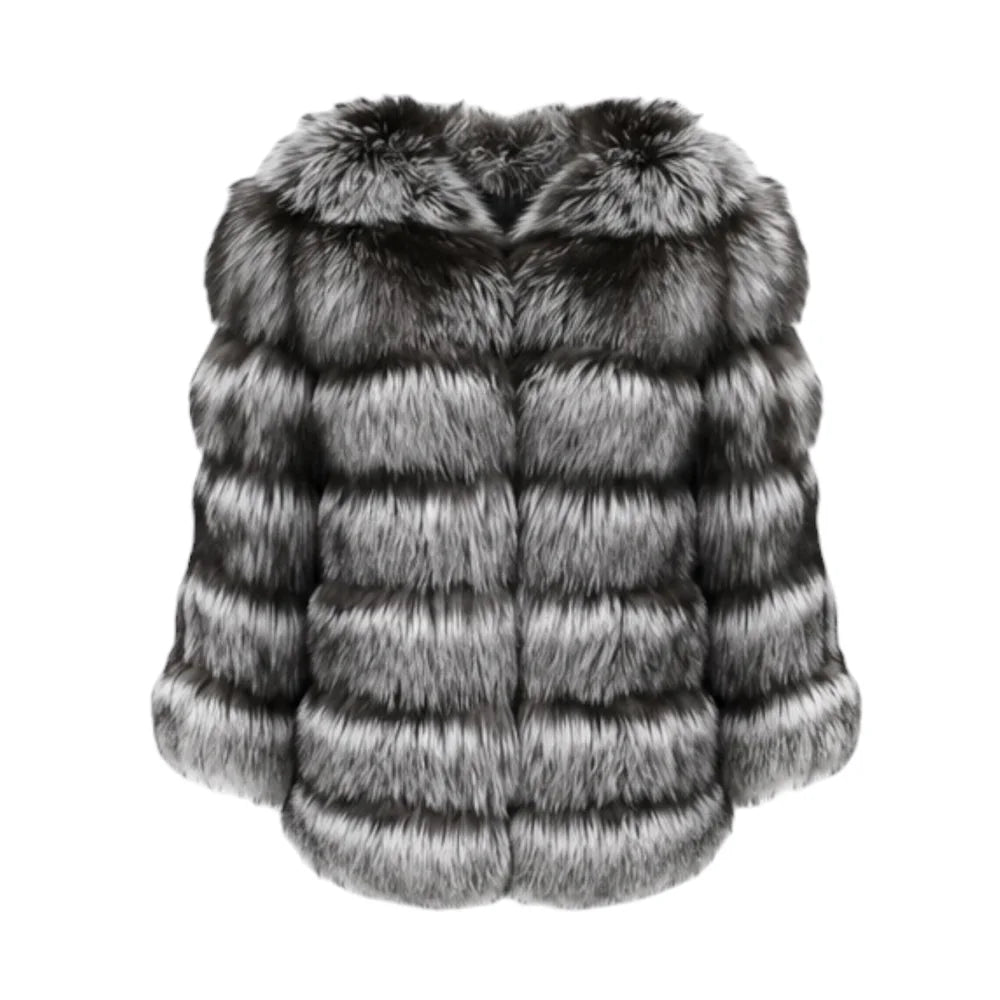
Red fox colour form
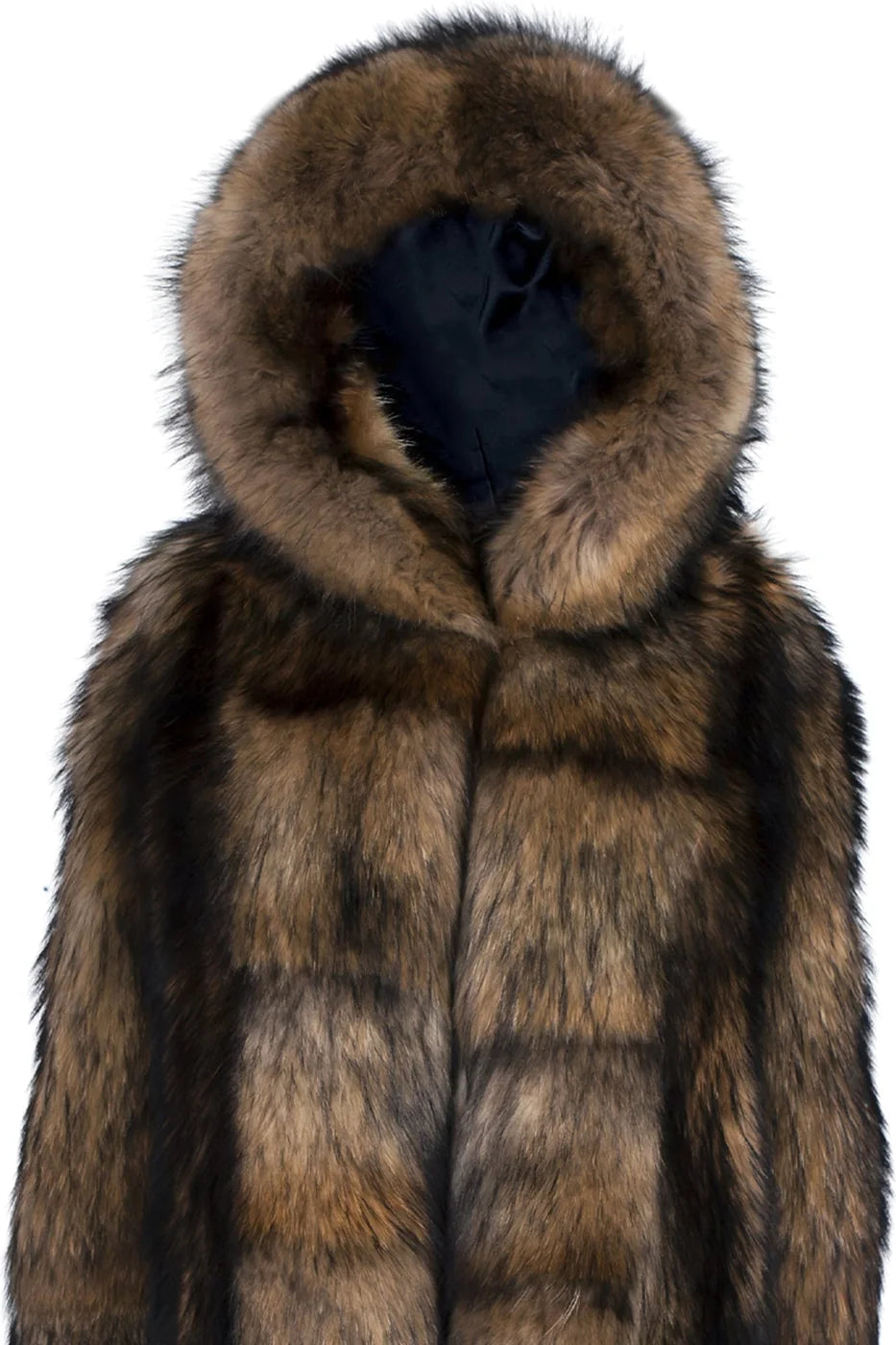
Dark fur and silver-tipped guard hairs create pronounced contrast. Different amounts of silvering change the appearance from one piece to another.
View collection example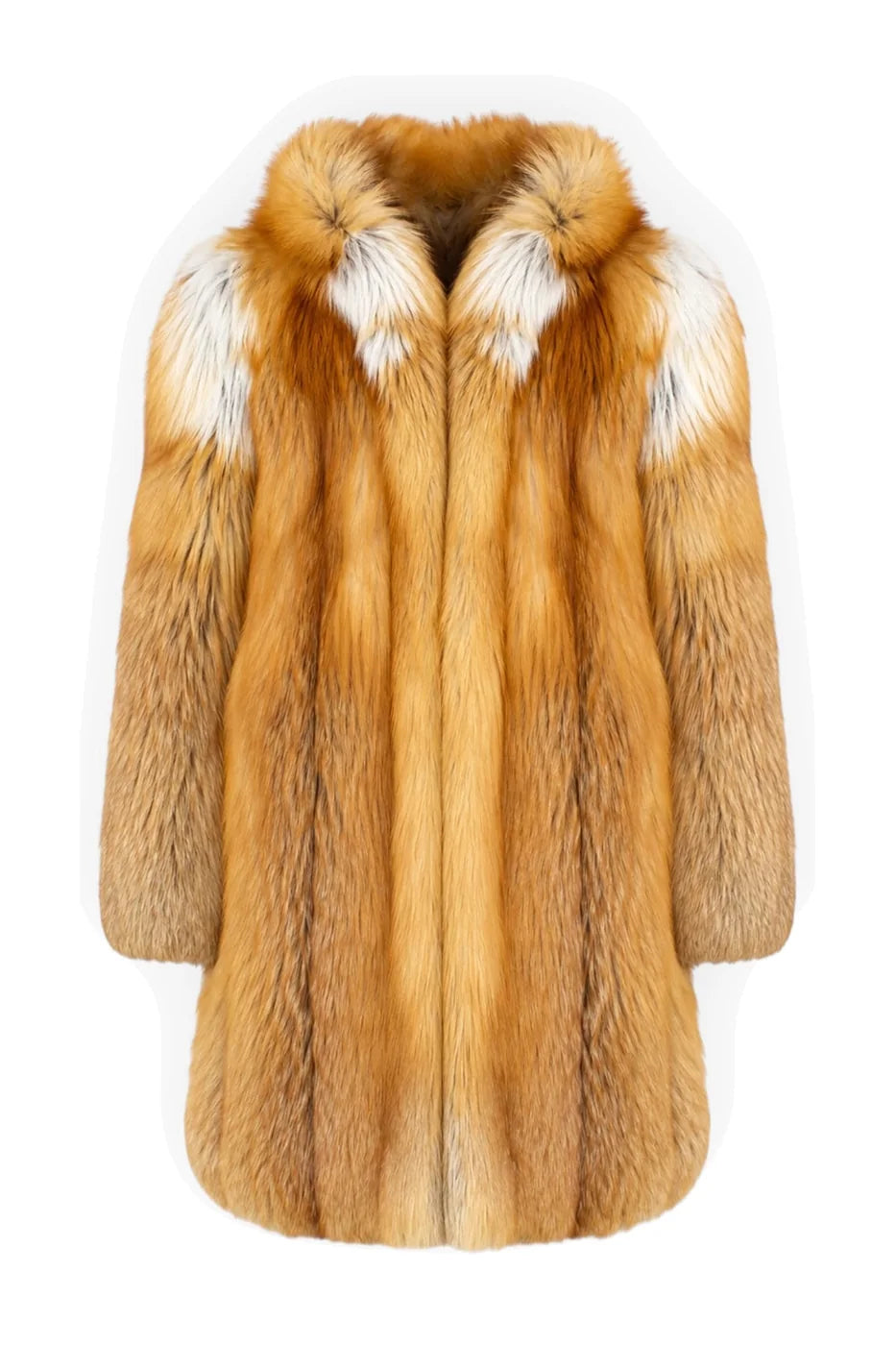
Red fox family
Warm colour ranges from golden tones to deeper auburn. Long hair and natural tonal variation give the surface richness and movement.
View collection example
Collection trade name
A fox name used in our collection, shown here with brown and cream contrast. Shade, finish and sourcing belong to the individual garment.
View collection example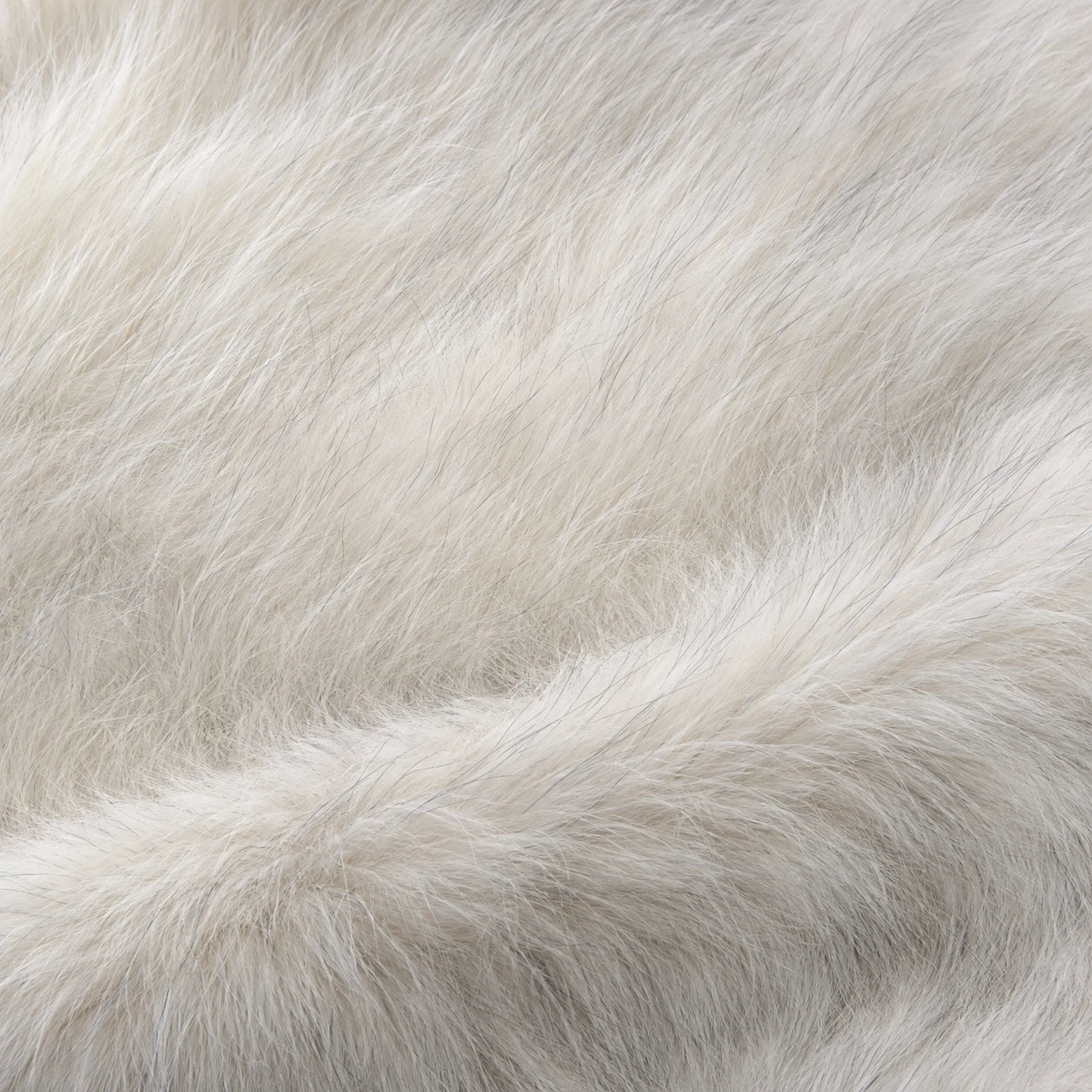
Named trade variety
A pale fox variety with subtle tonal patterning. Shadow names a trade type; it is not a general label for every light-coloured fox.

Named trade variety
A pale background with darker markings creates a patterned appearance. The placement of the fur determines how those markings flow across a garment.
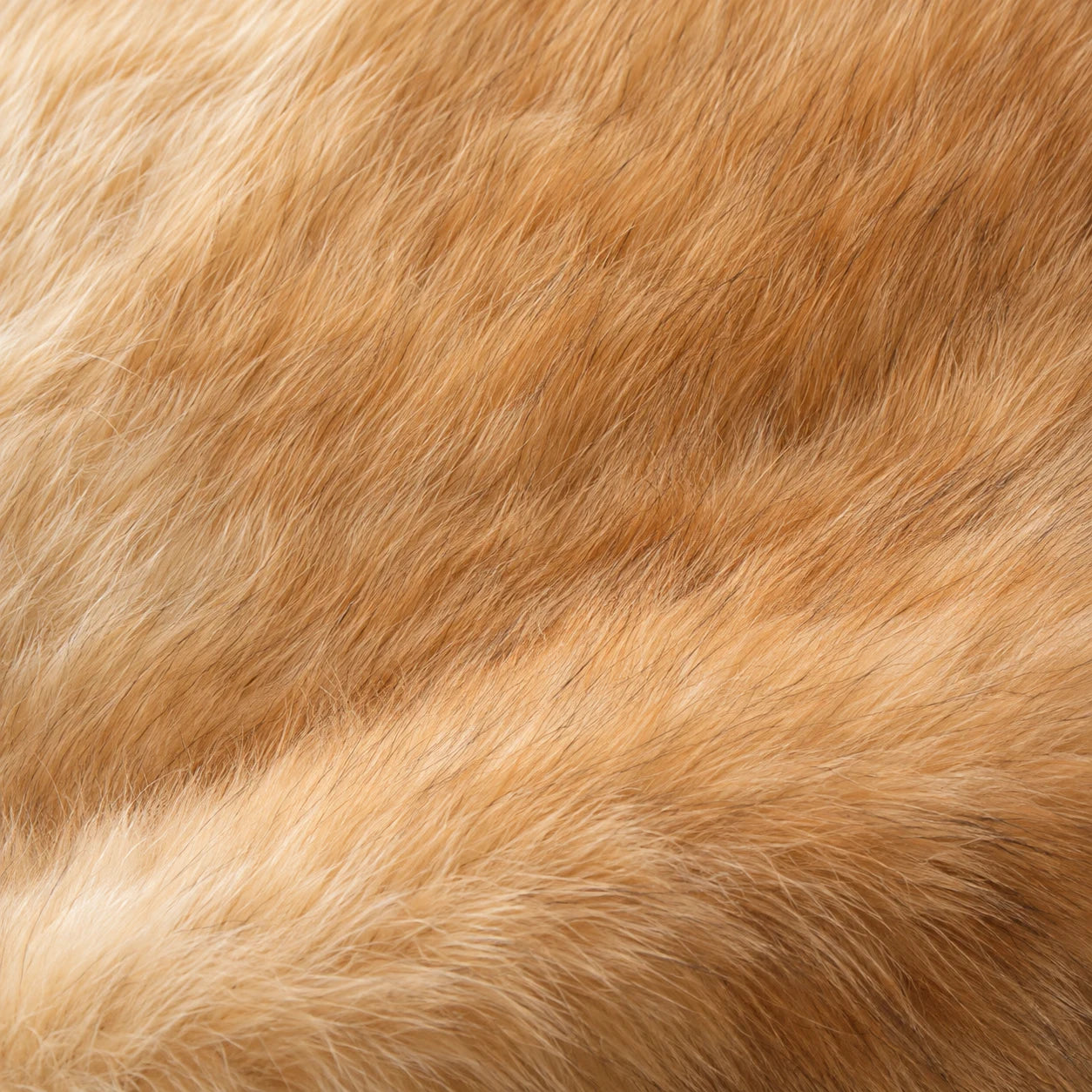
Named trade variety
Warm honey and cream tones can mingle with darker accents. This named fox variety brings a softer golden palette, with natural variation between pieces.
These are colour forms and trade varieties, not eight separate fox species. The exact garment determines its composition, colour treatment and availability.
AI-generated placeholders are illustrative colour and texture studies, not photographs of items for sale. Actual colour, pattern and finish vary by piece.
Leather & finishes
Flexible and textured, with a comfortable balance of softness and body.
Goatskin combines a pliable feel with a naturally expressive grain. It can offer comfortable movement without losing the sense of substance expected from a leather jacket. A washed or antiqued finish adds another layer of character, so two goatskin styles can feel quite different even when they share the same hide type.
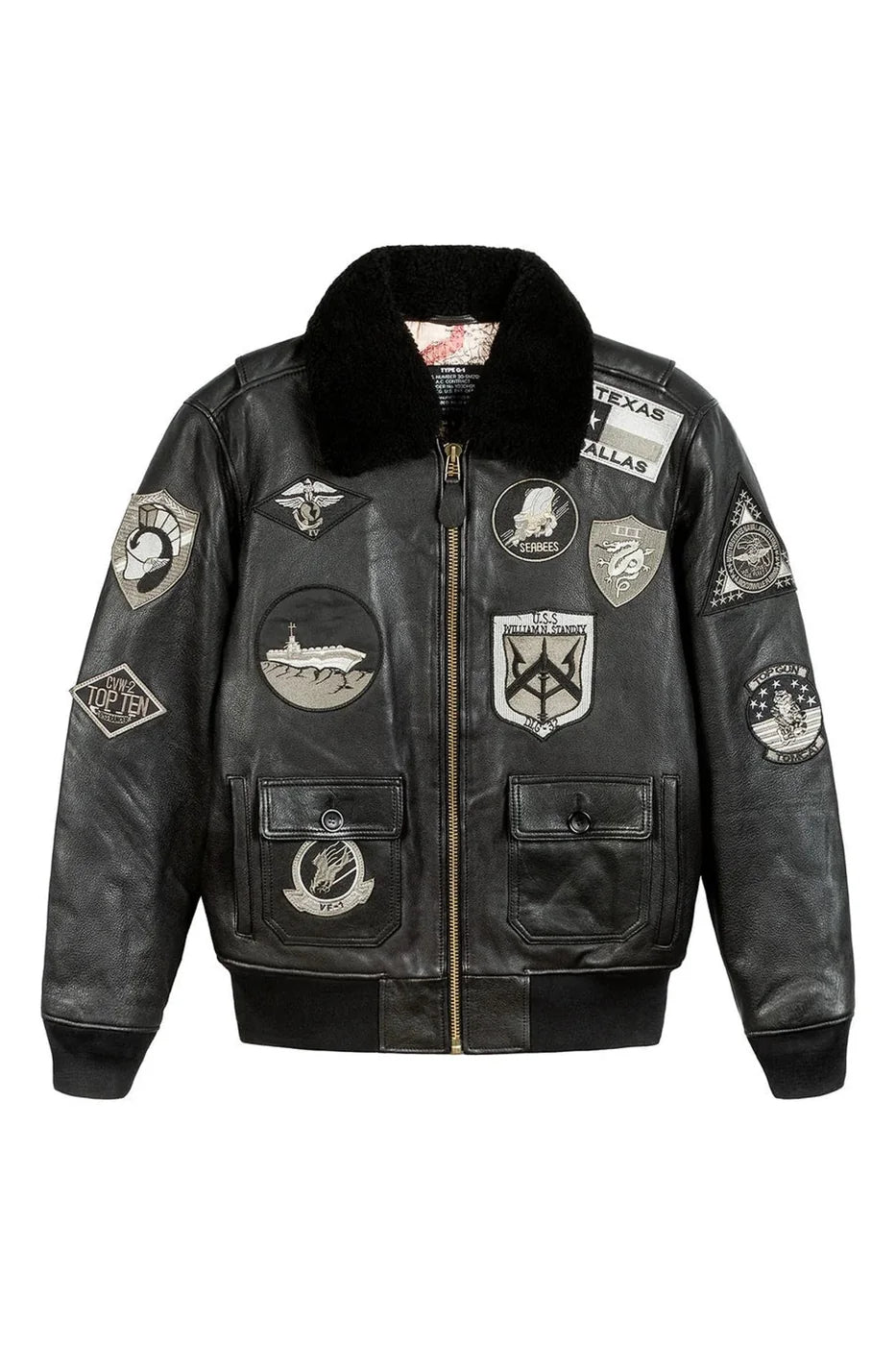
The collection includes goatskin in the Avirex Camo Icon and selected Top Gun flight jackets. On flight styles, knit cuffs, lining and a removable mouton collar contribute as much to the wearing experience as the leather body. Check the individual piece for its finish and trim combination.
Washed, antiqued and coated treatments each need their own approach. Do not assume a care product suitable for one goatskin jacket suits every finish.
Choose care by the jacket’s finish, including any collar and knit trims.
Flight-jacket character with comfortable flexibility.
Composition and care vary by garment. Check the product details and care label, or ask our team about your piece.
Leather & finishes
Soft, pliable and smooth, often with less initial stiffness than a structured cowhide piece.
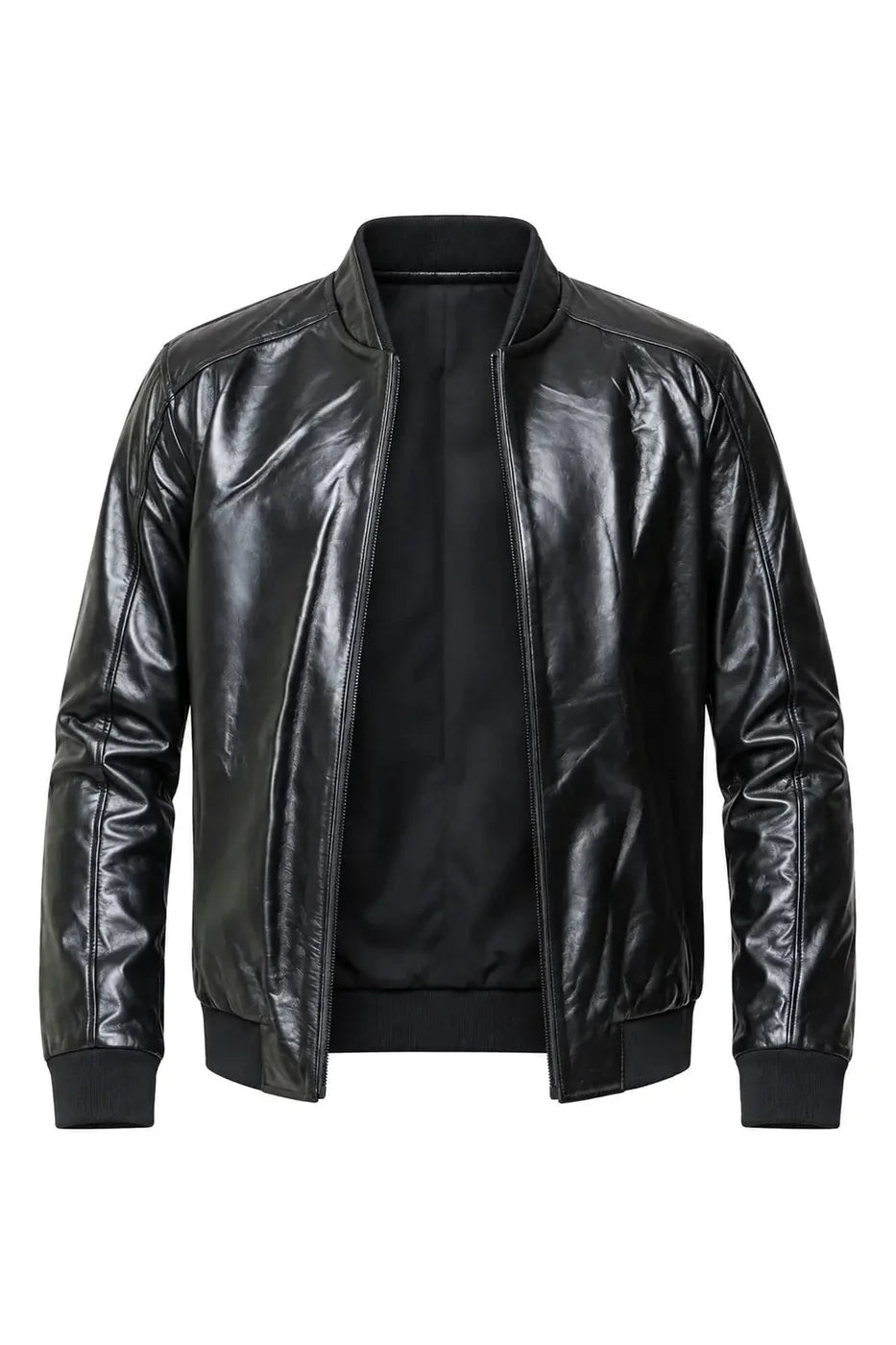
Lambskin is leather made from lamb hide with the fleece removed. It is valued for a soft, pliable hand and a smooth surface that lets a jacket follow the body comfortably. This is a different presentation from shearling, where the wool remains attached, or lamb fur worn with the hair facing outward.
Daniel’s Leather uses lambskin in bombers and other silhouettes where softness is part of the experience. It can also provide a sleek base for fur collars, quilting and decorative finishes. The final weight and feel depend on the lining, construction and treatment of the particular jacket.
The soft surface deserves a light touch. Repeated rubbing from rough straps, sharp jewellery or abrasive surfaces can leave marks.
Keep friction and harsh cleaning products away from the surface.
Soft bombers, close-fitting jackets and an immediately supple feel.
Composition and care vary by garment. Check the product details and care label, or ask our team about your piece.

Fur
Soft fur with a visually varied surface and a distinct patterned character.
Lynx fur is a visually expressive choice, with markings and tonal variation that make the surface a central part of the design. Pattern placement can give different areas of a coat their own character. This is a material to view as a complete garment, appreciating how the individual panels work together.
Daniel’s Leather identifies lynx in hooded coats and styles combined with white fox. Those pairings bring different textures into one silhouette, with the body’s markings balanced by a contrasting trim. The product name does not establish a precise species or origin, so the team can confirm any additional detail you need about a particular piece.
The markings and their placement vary by piece. Review the actual garment when the distribution of pattern is important to your choice.
Protect the patterned fur surface with gentle wear and specialist cleaning.
A statement coat chosen for distinctive markings and tonal variation.
Composition and care vary by garment. Check the product details and care label, or ask our team about your piece.
The finishing touches
Firm, tactile components that create contrast with leather, fur and textiles.
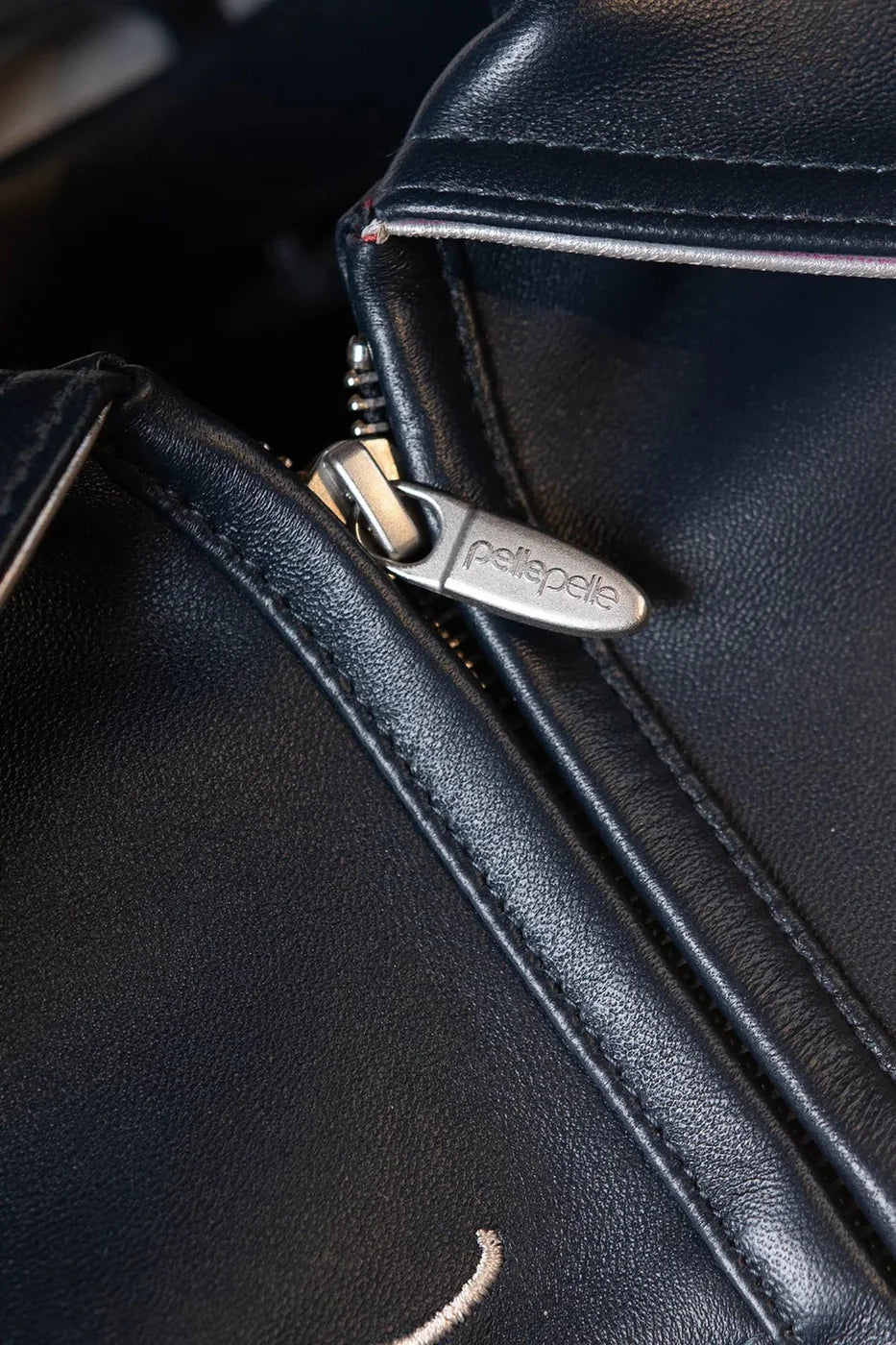
Hardware includes the zippers, snaps, buckles and other metal components that close, adjust and define a jacket. These details can give a clean shape a sharper edge or reinforce the character of a flight, moto or tailored design. Metal colour describes an appearance, not necessarily the metal’s composition.
The collection includes pieces with substantial zippers and buckles, with solid brass specifically identified on selected Vanson details. Other styles use their own finishes and components. When comparing jackets, notice how the hardware works as well as how it looks: smooth operation, placement and easy access all contribute to the experience.
A gold-tone or silver-tone finish does not identify precious-metal content. Protect surrounding materials when cleaning any hardware, and address sticking components before forcing them.
Keep fastenings working gently and protect the material around them.
Understanding the functional finishing details of a chosen jacket.
Composition and care vary by garment. Check the product details and care label, or ask our team about your piece.
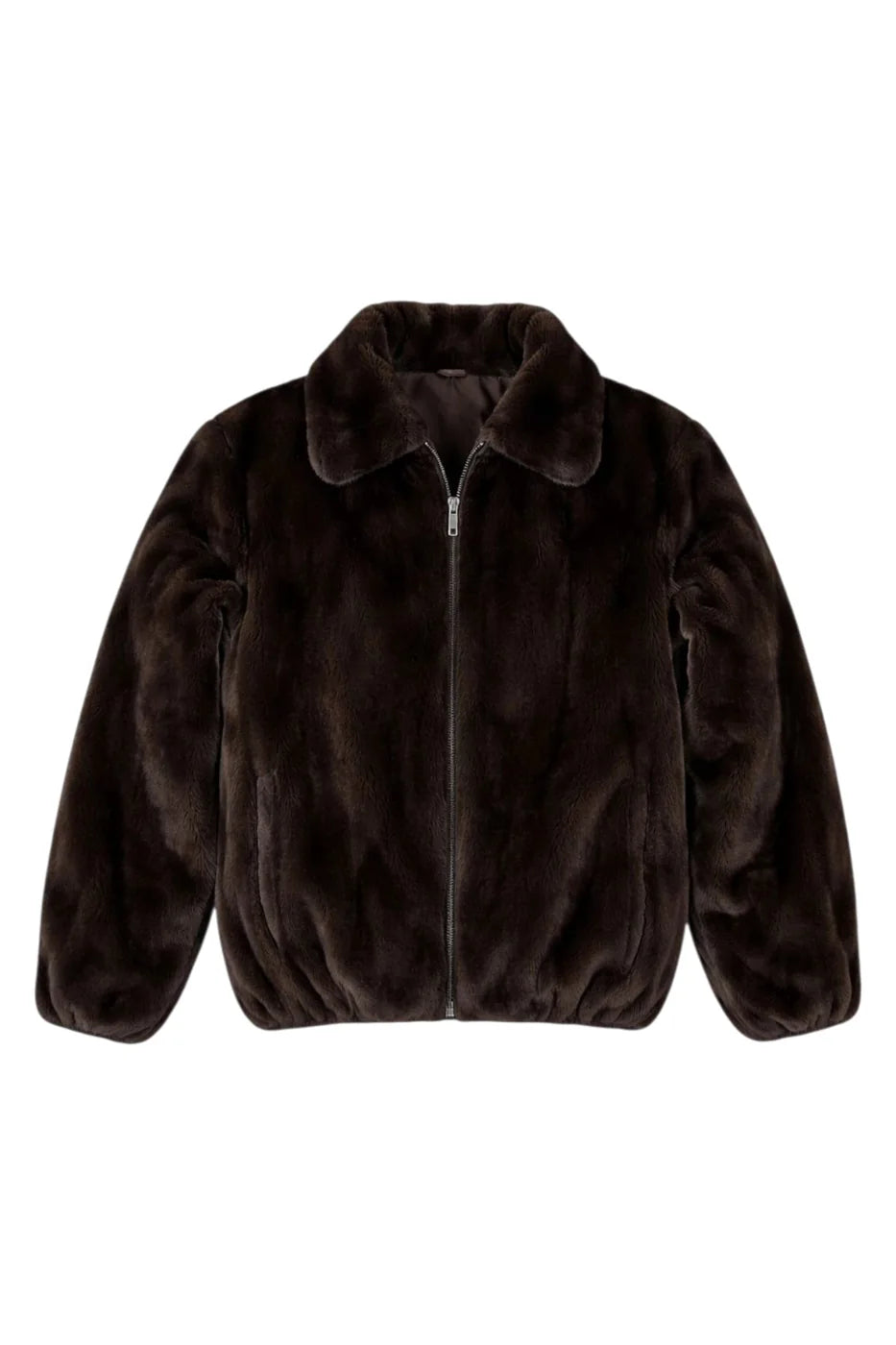
Fur
Dense and soft, with a relatively compact pile and a gentle sheen.
Explore mink construction & finishesMink is known for a dense, relatively compact fur surface with a soft lustre. Compared with a long-haired fur, it can create a more closely defined outline. Shearing and other treatments change the visible texture, while the way the pelts are arranged can introduce chevrons, panels or sculpted movement.
Full-skin mink may be joined skin-on-skin or worked into longer let-out panels. Sectional mink uses smaller parts to create patterned surfaces. Shearing and plucking change the pile, while knitting changes the construction. These terms describe how mink is worked, not different species or a complete quality grade.
Treatments can make two mink pieces look and feel quite different. Pay attention to pile length and construction rather than choosing by the material name alone.
Maintain the pile’s direction and keep pressure off high-contact areas.
A refined fur silhouette with rich texture and a controlled outline.
Composition and care vary by garment. Check the product details and care label, or ask our team about your piece.

Fur
Long, soft curls with a fluid, freely moving surface.
Mongolian lamb fur is recognised for long, curling hair that gives a garment visible movement. This is a fur presentation of lambskin, with the hair retained, rather than smooth lambskin leather or a fabric woven from shorn wool. The curling texture can feel visually light even when the silhouette is generous.
Daniel’s Leather uses Mongolian lamb in full fur coats and as dramatic collars and cuffs on leather pieces. A small amount can transform a clean leather shape; a complete coat makes the curls the focus. Consider how the long hair falls at the neckline, wrist and hem when choosing your proportions.
Long curls can catch on jewellery and rough surfaces. Give the hair space to fall naturally, and avoid attempts to straighten or aggressively detangle it.
Preserve the natural curl pattern with gentle handling.
Flowing fur coats or expressive collars and cuffs on leather.
Composition and care vary by garment. Check the product details and care label, or ask our team about your piece.
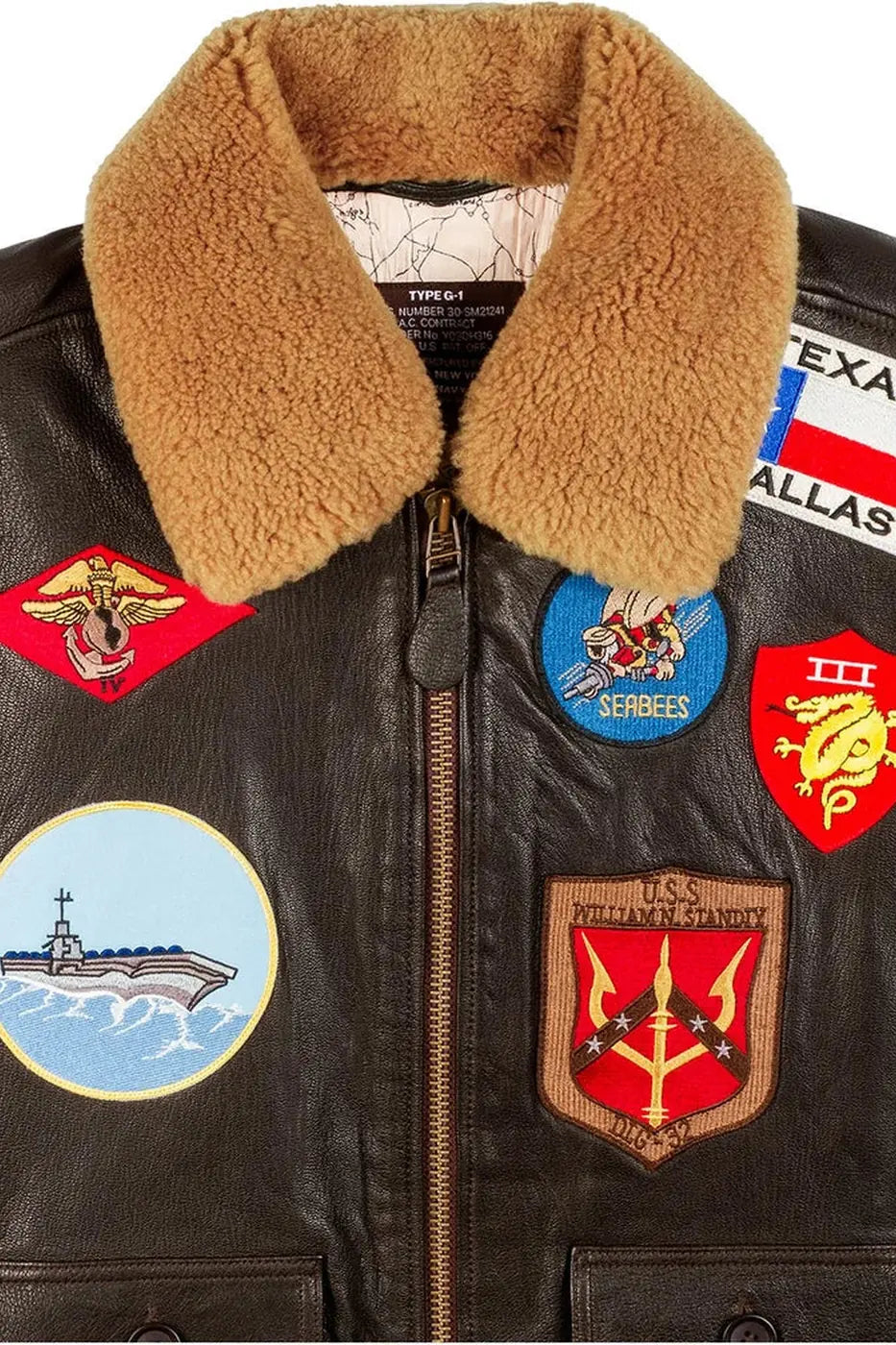
Shearling
Compact and plush, with a soft, even surface around the neckline.
Mouton is a processed sheepskin fur with a relatively even, plush pile. It offers a different visual rhythm from long-haired fur: compact, smooth-looking and neatly defined around the face. Like other sheepskin constructions, it combines the hair with the skin beneath rather than being a separately knitted fleece fabric.
In the collection, genuine mouton appears as a removable collar on selected Top Gun leather flight jackets. The contrast between the leather body, soft collar and knit edges is central to that style. A detachable collar also lets you change the jacket’s look, following the fastening and care instructions for the particular piece.
A mouton collar and a leather body require compatible care. Detach it only as designed, and keep track of its fastening points.
Treat the collar as real sheepskin even when it is removable.
A plush, compact collar on a classic leather flight jacket.
Composition and care vary by garment. Check the product details and care label, or ask our team about your piece.
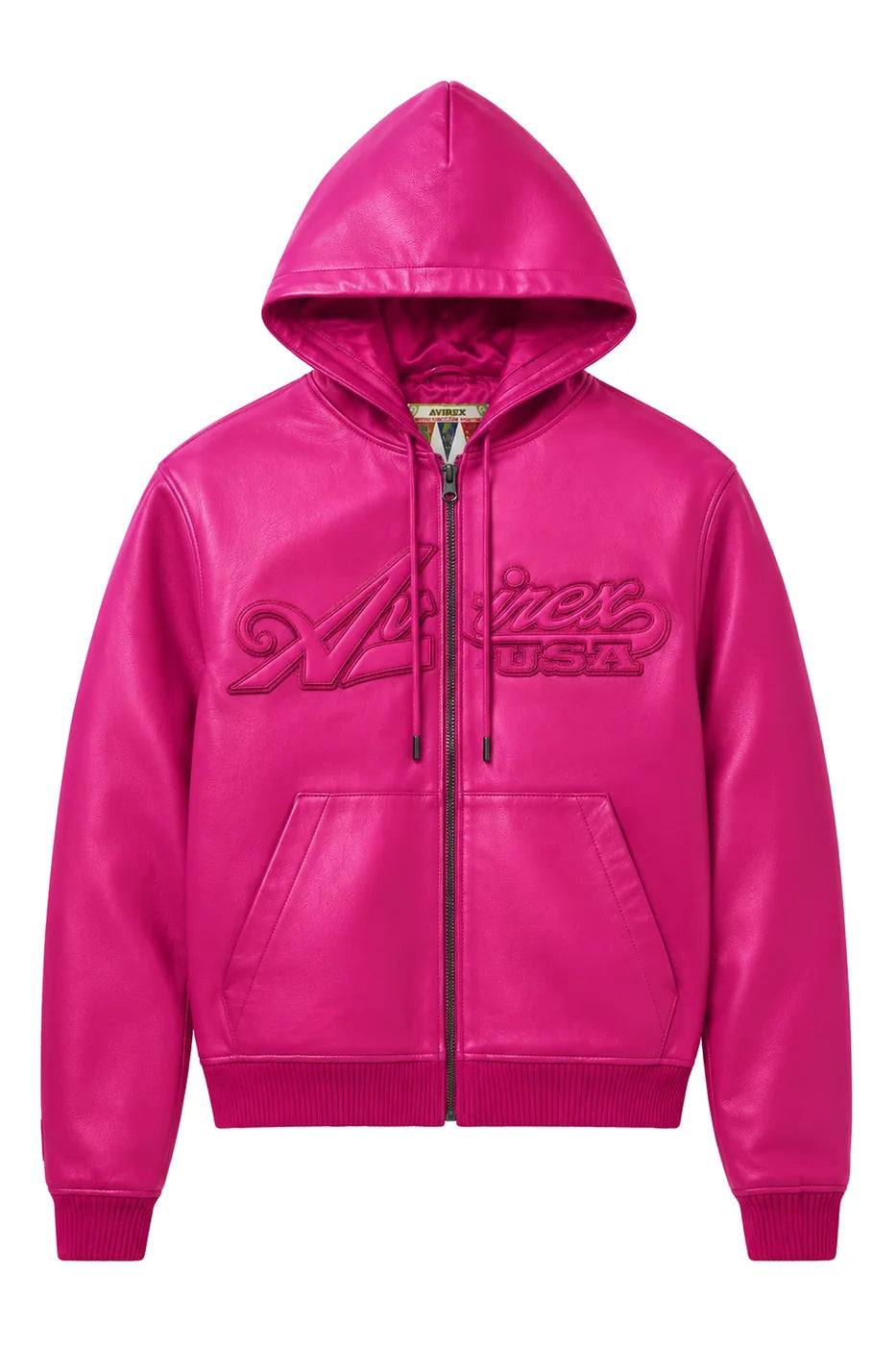
Leather & finishes
Smooth and pliable, designed to sit comfortably in a casual silhouette.
Nappa is a leather term associated with a soft, supple hand; it does not identify one animal species. A nappa description tells you about the intended feel of the material, while the garment’s composition label provides the more specific information about the hide and any other components.
In the Daniel’s Leather collection, Avirex leather hoodies are described as genuine nappa leather. The appeal is the meeting of a familiar casual silhouette with a more refined material. The hood, seams and lining all contribute to its weight and shape, so nappa should not be treated as a fixed thickness or identical finish across styles.
Softness does not identify the hide species or guarantee a particular coating. Ask about the exact composition and finish when comparing pieces.
Use only care products approved for the actual nappa finish.
A leather hoodie or casual piece with a soft, refined hand.
Composition and care vary by garment. Check the product details and care label, or ask our team about your piece.

Wool & textiles
Often smooth and light in a shell fabric, with the hand shaped by the weave and finish.
Nylon is a synthetic fibre valued for strength in relatively lightweight constructions. It can be woven into a smooth outer shell, used inside a garment or blended into knitted components. The fabric’s thickness, weave and finishing determine its final character; the fibre name alone does not establish weather protection.
The collection includes a Top Gun B-15 bomber with a nylon outer shell and a separate polyester interlining. Nylon also appears in selected wool-blend cuffs and waistbands. These are different uses of the same fibre, so check which part of the jacket contains nylon when comparing the feel and construction of styles.
A nylon shell is not automatically waterproof or windproof. Lining, filling, coatings and seams determine the complete jacket’s performance and care.
Check the whole garment’s construction before choosing a cleaning method.
A lighter-feeling bomber shell or a practical component in a blended trim.
Composition and care vary by garment. Check the product details and care label, or ask our team about your piece.

Fur
Closely curled and textured, with a compact, sculptural surface.
Persian lamb is recognised for a close, curled surface that creates a distinctive pattern within the fur itself. Its character is different from the long, flowing hair of Mongolian lamb: the interest sits nearer the garment, with a sculptural texture that can complement a clearly defined shape.
In the collection, Persian lamb appears in bombers and longer coats. A bomber with a mink collar pairs two different fur textures, keeping the body’s curled pattern visible beneath a softer frame at the neck. Choose the piece by its curl pattern, panel arrangement and silhouette, since those details shape the finished effect.
Curl patterns and their visual rhythm vary across pieces. Mixed-fur designs need a cleaning approach that suits the body and the collar together.
Protect the curled texture without brushing it out or applying heat.
A compact, textured fur bomber or a clearly shaped longer coat.
Composition and care vary by garment. Check the product details and care label, or ask our team about your piece.
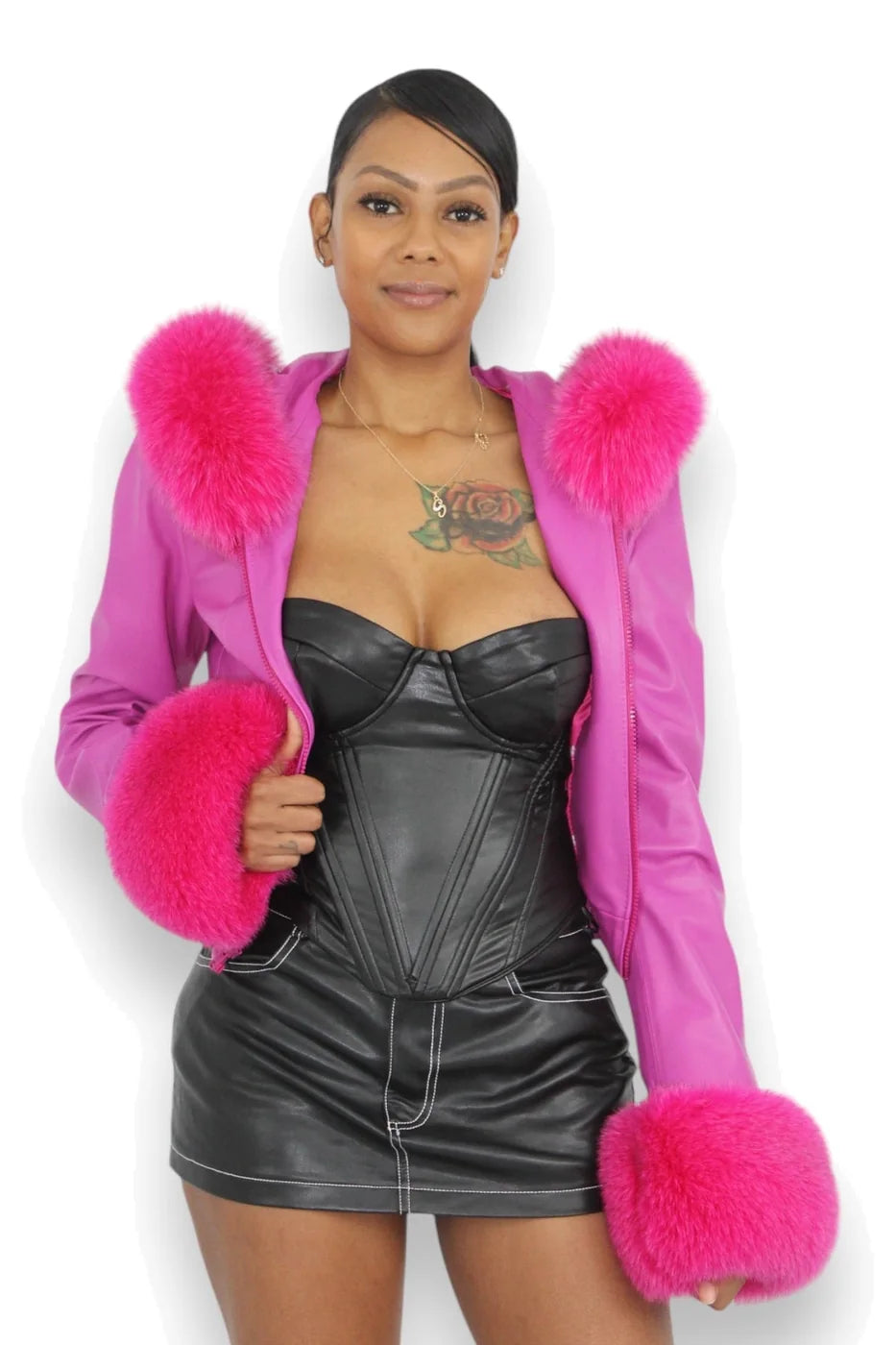
Wool & textiles
Variable by construction; a lining can feel smooth while an internal layer may not be visible.
Polyester can be made into many different textiles, from smooth linings to internal layers. The fibre itself does not tell you whether a fabric will be glossy, matte, plush or quilted. Its role in the garment is often the most useful detail when understanding how a jacket is put together.
Daniel’s Leather identifies polyester in the lining of selected leather pieces and in the interlining of a Top Gun B-15 bomber. These interior uses support the garment’s construction without changing the identity of its outer shell. A photograph of a leather or nylon exterior therefore does not show the polyester layer itself.
The outer material and trims still govern the garment’s care. A polyester lining is not permission to wash a leather or fur jacket.
Care for the lining as part of the complete jacket.
Understanding the interior construction of a selected jacket.
Composition and care vary by garment. Check the product details and care label, or ask our team about your piece.
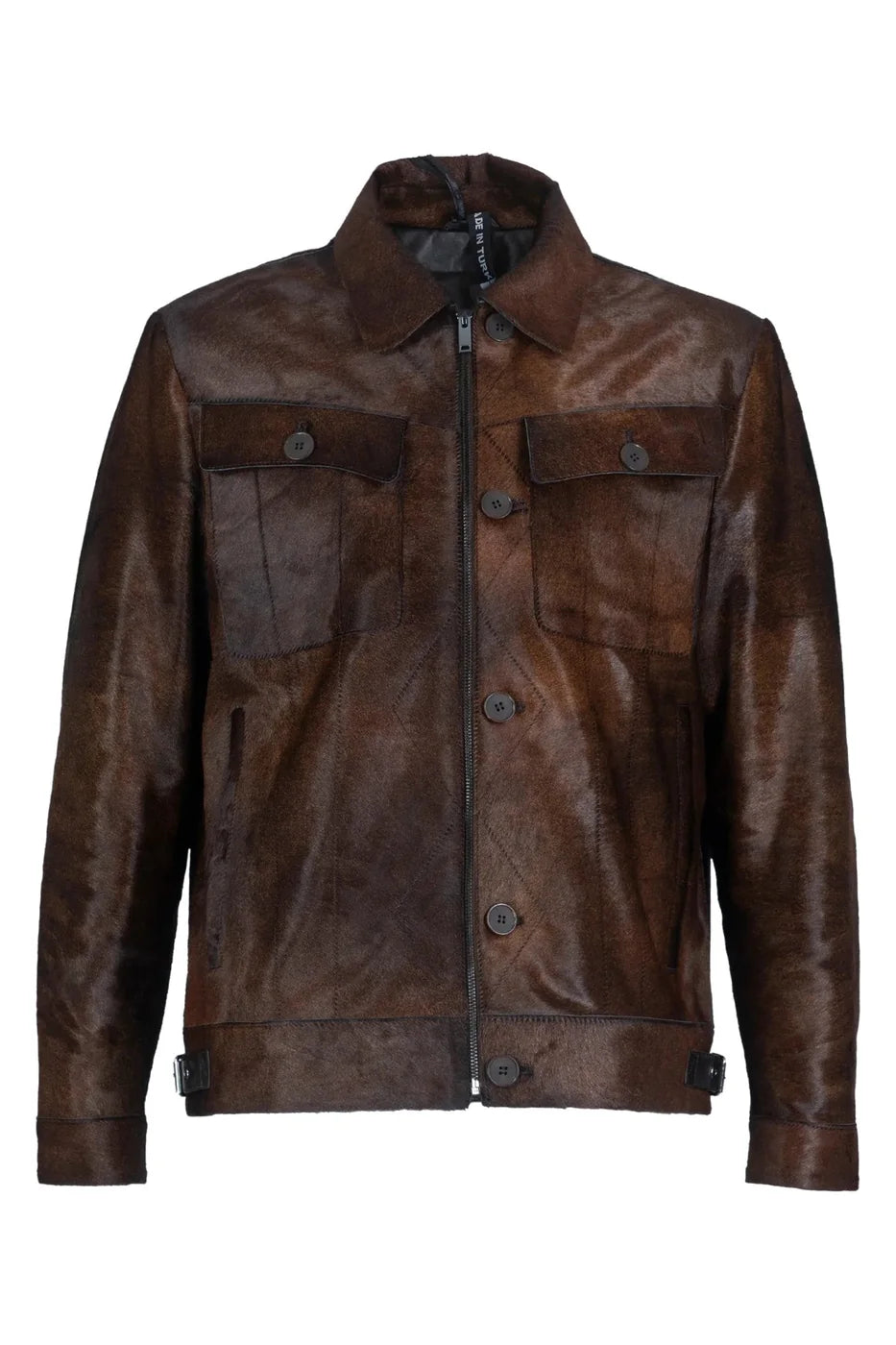
Leather & finishes
Smooth hair with a visible direction and a softly reflective surface.
At Daniel’s Leather, pony skin is cowhide with its natural hair left on. The short hair lies in one direction, so different panels catch the light as you move.
On the Pony Skin Trucker Jacket, the hair follows the cut of the chest pockets and sleeves. Compare those panels to see the change in sheen across a single piece.
Repeated friction can wear down the hair at the shoulder or cuff.
Preserve the hair by keeping rubbing and heavy pressure to a minimum.
Texture-led truckers and distinctive patterned leather.
Composition and care vary by garment. Check the product details and care label, or ask our team about your piece.
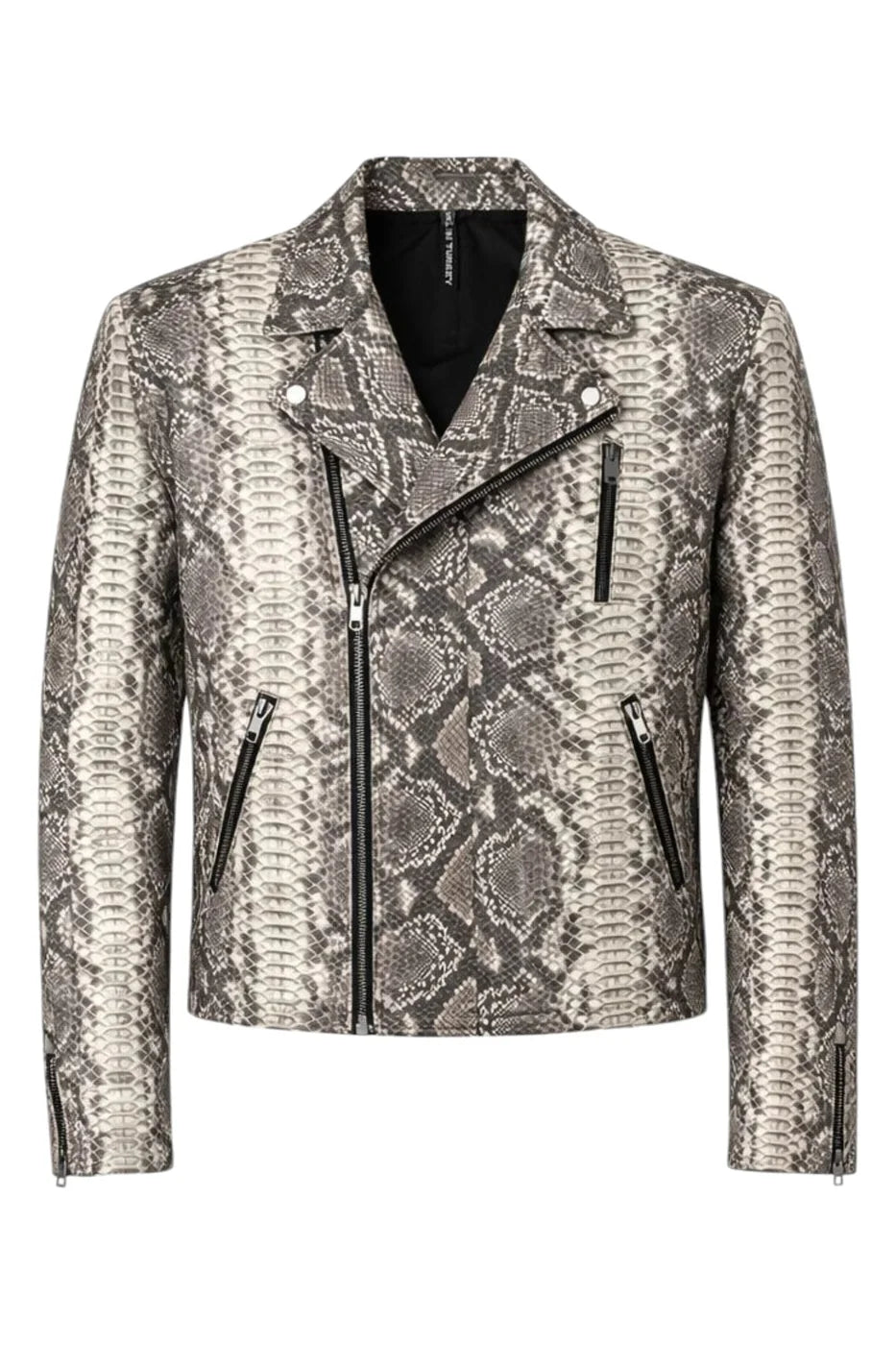
Leather & finishes
A finely scaled surface with more visible dimension than smooth leather.
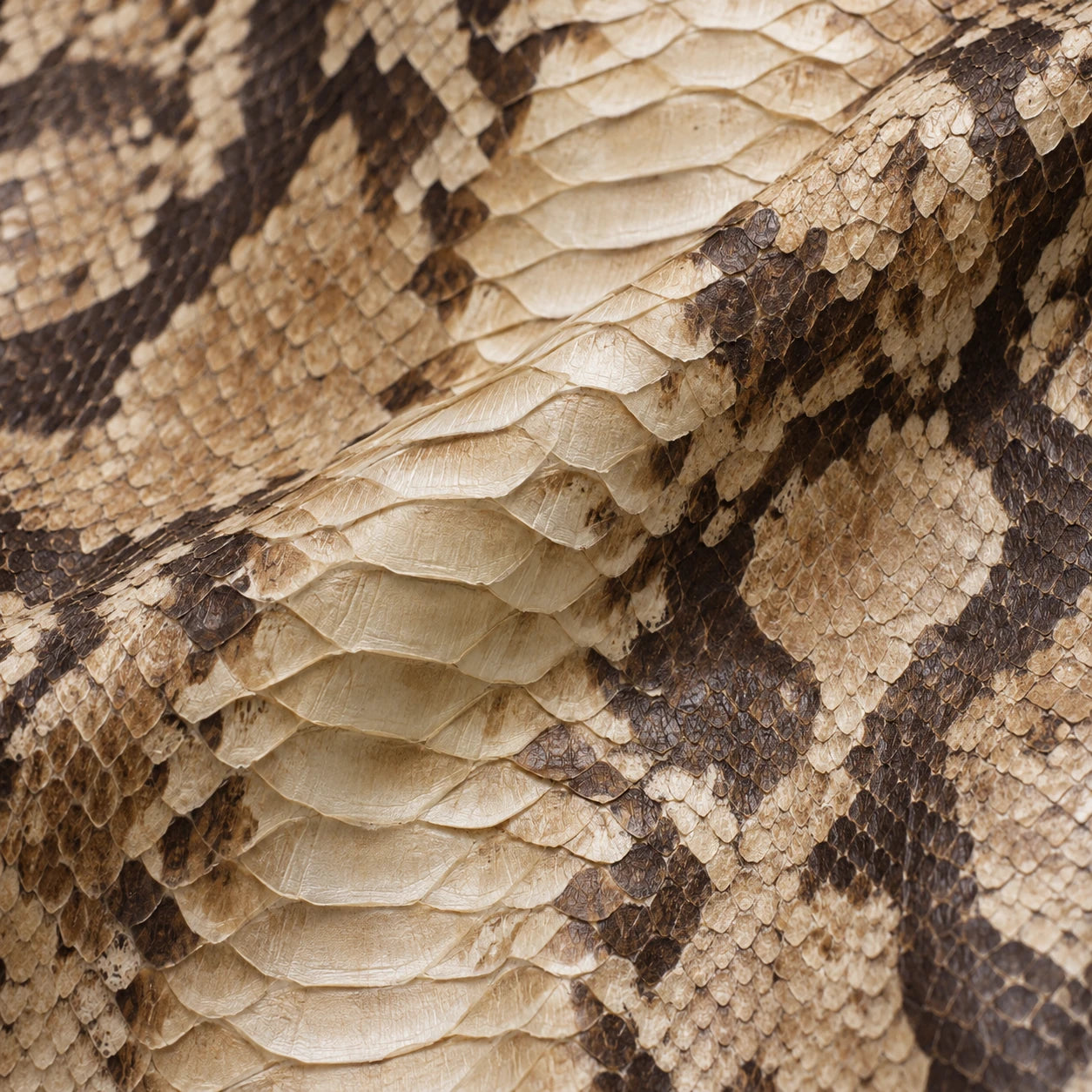
Genuine python leather has a scale structure that creates its distinctive surface. The size, rhythm and appearance of those scales make each panel visually individual. This material is different from a snake print or an embossed pattern applied to another leather, even when the overall colour or motif looks similar.
Daniel’s Leather identifies genuine python in selected peacoats and statement jackets. It can carry a silhouette on its own or work alongside quilting and metal hardware. Its character rewards close attention: choose it for the natural surface and the way the pattern moves across the garment’s panels.
Scales are sensitive to abrasion, liquids and unsuitable creams. Heat and humidity can also affect their appearance; careful handling is part of owning this material.
Keep the scales dry and let an exotic-leather specialist guide any treatment.
A distinctive statement piece chosen for its natural scale texture.
Composition and care vary by garment. Check the product details and care label, or ask our team about your piece.

Fur
Soft and plush, with a gentle surface that invites a light touch.
Rabbit fur has a soft, inviting surface that brings a plush character to a garment. Hair length, finishing and the way panels are assembled influence how the finished piece looks and moves. Ordinary rabbit and Rex rabbit are related material names, but their visible pile can differ enough to be worth comparing.
Daniel’s Leather includes rabbit fur in men’s outerwear and other fur-led styles. Consider the whole design: the lining, shape and any contrasting collar will affect the wearing experience alongside the fur itself. It is an appealing choice when softness and surface texture are central to the look you want.
Soft fur needs protection from abrasion. Repeated rubbing, pulling or aggressive brushing can affect the surface, particularly in areas of frequent contact.
Handle the soft pile gently and avoid repeated rubbing.
A plush jacket chosen for softness and tactile appeal.
Composition and care vary by garment. Check the product details and care label, or ask our team about your piece.

Wool & textiles
A fluid textile layer whose smoothness depends on its weave and finish.
Rayon is a regenerated cellulose fibre, made by processing cellulose into a form that can be spun into textile fibres. It can produce fabrics with a fluid drape, making it useful for interiors that need to move with a garment. The weave and finishing still determine the exact surface feel.
Daniel’s Leather explicitly identifies a black rayon lining in Vanson’s House Jacket with Stripes. This sits inside the leather body and is separate from the jacket’s removable pile liner. Knowing those layers helps you compare the garment’s construction without assuming that every lining or detachable component uses the same fibre.
Rayon lining and a removable pile liner are separate components. Their fibre content and care should be checked individually within the whole jacket’s instructions.
Let the leather jacket’s complete care instructions guide treatment of its rayon lining.
A fluid interior layer in selected leather jackets.
Composition and care vary by garment. Check the product details and care label, or ask our team about your piece.

Shearling
Plush fleece at the surface, supported by the body of the skin beneath.
Reversed shearling places the woolly side on the outside of the garment, making the fleece the main visual feature. The material still includes the underlying skin, but the change in orientation transforms the silhouette: edges look softer, texture becomes more prominent and the jacket reads differently in movement.
The collection’s Reversed Trucker Shearling brings that treatment to a recognisable trucker shape. Reversed describes the way the material is presented; it does not mean the completed jacket is designed to be worn inside out. Check the individual style if you are looking specifically for a reversible garment.
An exposed fleece surface needs room and gentle handling. Frequent pressure or rubbing can compress the pile, especially beneath straps.
Keep the outward-facing fleece free from crushing, heat and rough friction.
A texture-first shearling jacket with a plush exterior.
Composition and care vary by garment. Check the product details and care label, or ask our team about your piece.
Fur
Velvety and evenly plush, with a smooth-looking surface.
Rex rabbit has an unusually even, velvety-looking pile, with less pronounced long guard hair than many ordinary rabbit furs. The smooth visual field lets colour and tailoring stand out, offering a different expression from the movement of long-haired fox.
Chinchilla-colour Rex describes rabbit with a grey-and-dark colour effect, not genuine chinchilla. A mixed-material coat can be different again: our collection includes Rex bodies with genuine chinchilla collars. Check the body and trim of the specific piece instead of relying on the colour name.
Chinchilla-colour Rex is rabbit. A Rex garment with a genuine chinchilla collar combines two furs; confirm the body and trim separately.
Preserve the even pile by avoiding abrasion and home brushing.
A smooth, velvety fur coat with a neatly defined silhouette.
Composition and care vary by garment. Check the product details and care label, or ask our team about your piece.
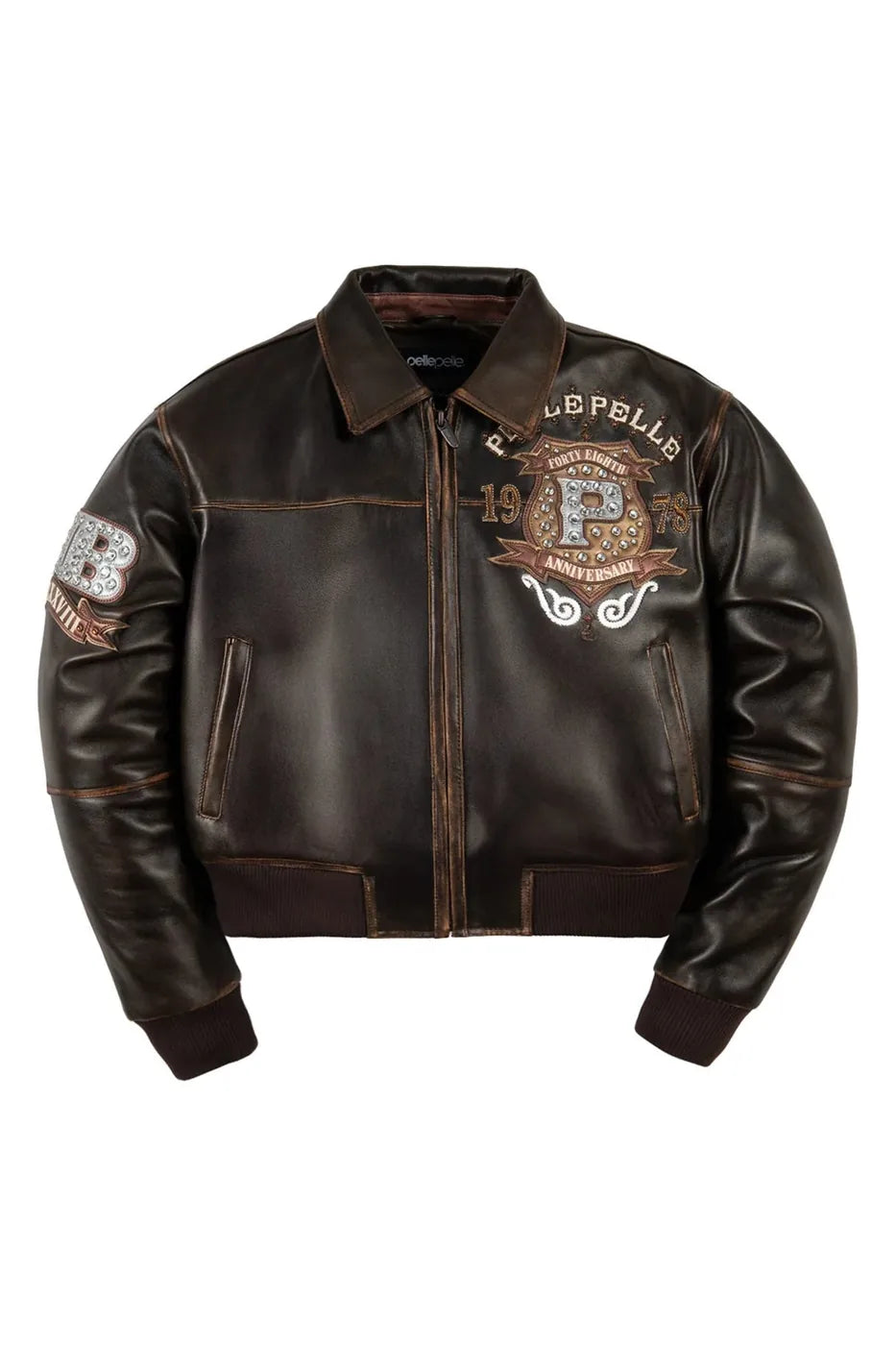
The finishing touches
Flexible and ribbed, with the softness and firmness determined by the yarn and knit.
Rib knit describes a knitting structure with alternating raised ribs, rather than a single fibre. It is commonly used at cuffs and waistbands because the construction allows those edges to move and sit close to the body. The yarn and knit density influence how firm or soft the trim feels.
Daniel’s Leather uses rib-knit finishes across flight and varsity jackets. Selected Top Gun pieces explicitly combine wool and nylon in these components, while other styles have their own composition. The trim’s proportions also shape the look: a deeper waistband creates a different outline from a narrow, subtle knitted edge.
Pulling at cuffs or hanging a heavy jacket by its knit can distort the trim. Fibre content varies even when two knitted edges look similar.
Protect the knit’s shape and keep its care compatible with the jacket body.
Close-fitting cuffs and a clearly shaped bomber or varsity finish.
Composition and care vary by garment. Check the product details and care label, or ask our team about your piece.
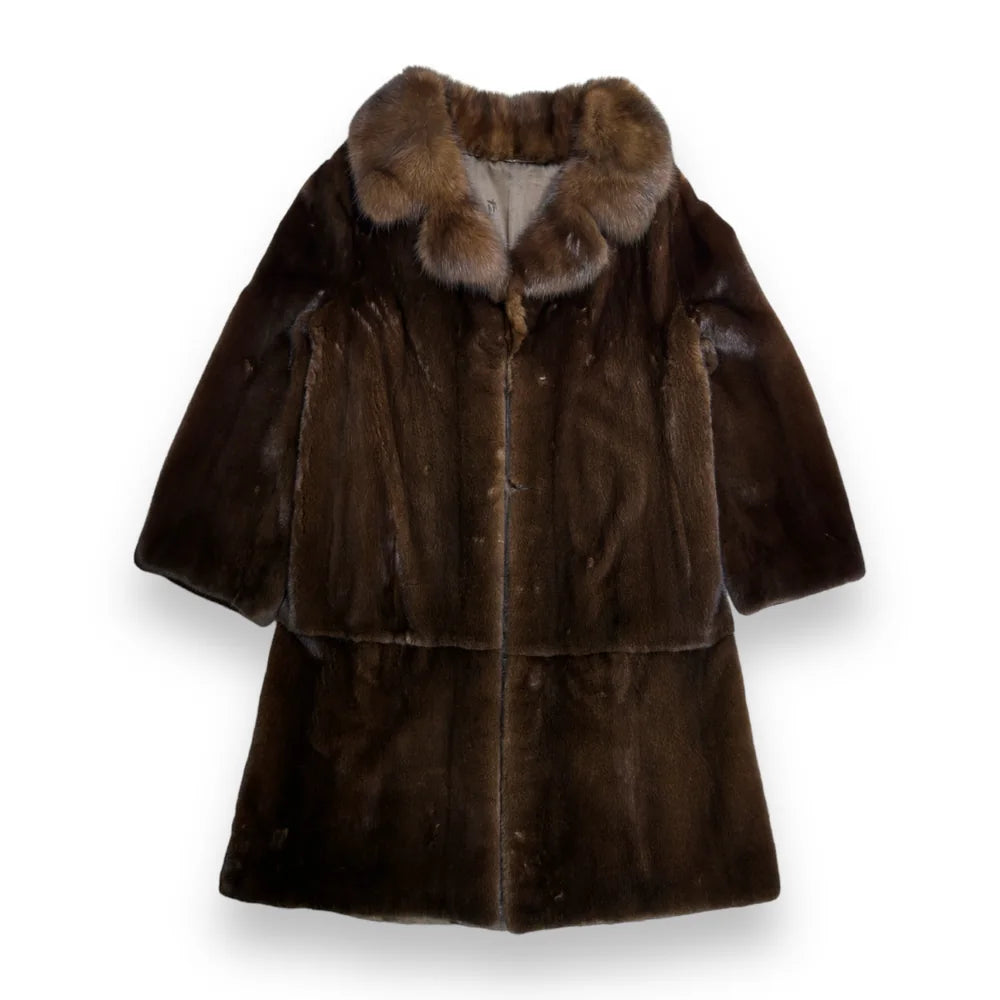
Fur
Soft and flowing, with generous depth concentrated around the trim.
Sable has a soft, flowing character that gives a collar depth and movement. Used as a trim, it can change the expression of an entire coat without covering the full body. The contrast is especially clear when a fuller neckline sits against a more compact fur surface.
In the Daniel’s Leather collection, genuine sable is identified at the collar and trim of selected mink coats. That is a mink body with sable detailing, rather than an all-sable garment. A colour described as sable on a different fur is also a colour description, so the composition of the specific piece matters.
Check where sable is used in the chosen garment. Material and colour names can overlap, and a sable-toned piece may be made from another fur.
Give the collar room and protect it from cosmetics and fragrance.
A richly textured collar on a refined mink coat.
Composition and care vary by garment. Check the product details and care label, or ask our team about your piece.
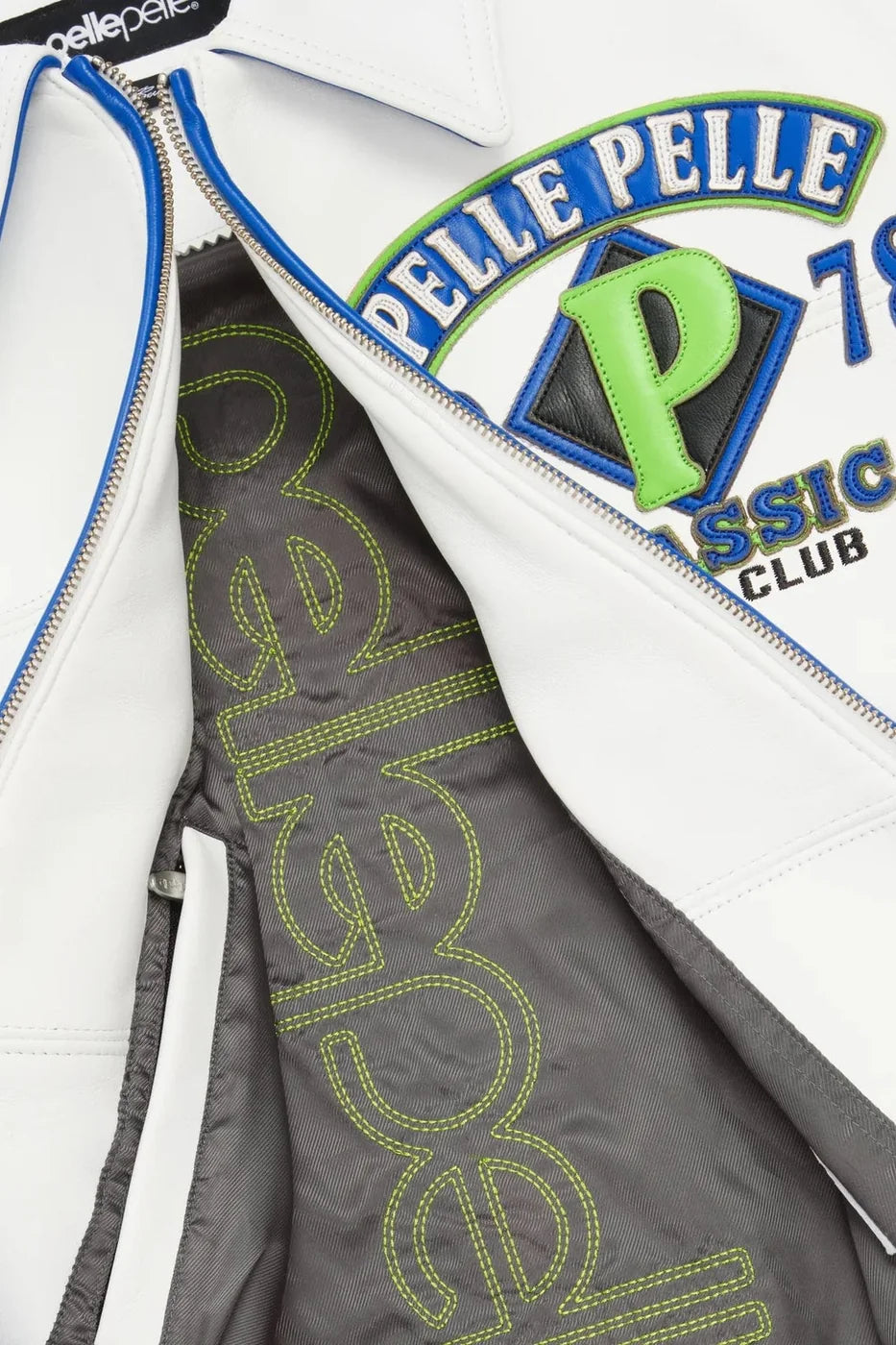
Wool & textiles
Smooth and lightly lustrous, designed to slide over the layers underneath.
Satin describes a weave or surface character, not one particular fibre. Its smooth face and soft sheen can come from different yarns, so a satin lining should not automatically be understood as silk. The fibre composition on the individual garment gives the more precise answer.
In the collection, satin interiors appear across leather, fur and embellished jackets, including Pelle Pelle styles. The lining provides the inside finish and helps the jacket move over the clothing beneath it. It is a quiet detail that affects comfort, while the outer material and decoration determine much of the cleaning approach.
The smooth surface can catch on rough jewellery or fasteners. Satin identifies the fabric structure; ask about the fibre when composition matters to you.
Protect the smooth face from snags and treat it within the whole garment.
A smooth interior finish and easy movement over layers.
Composition and care vary by garment. Check the product details and care label, or ask our team about your piece.
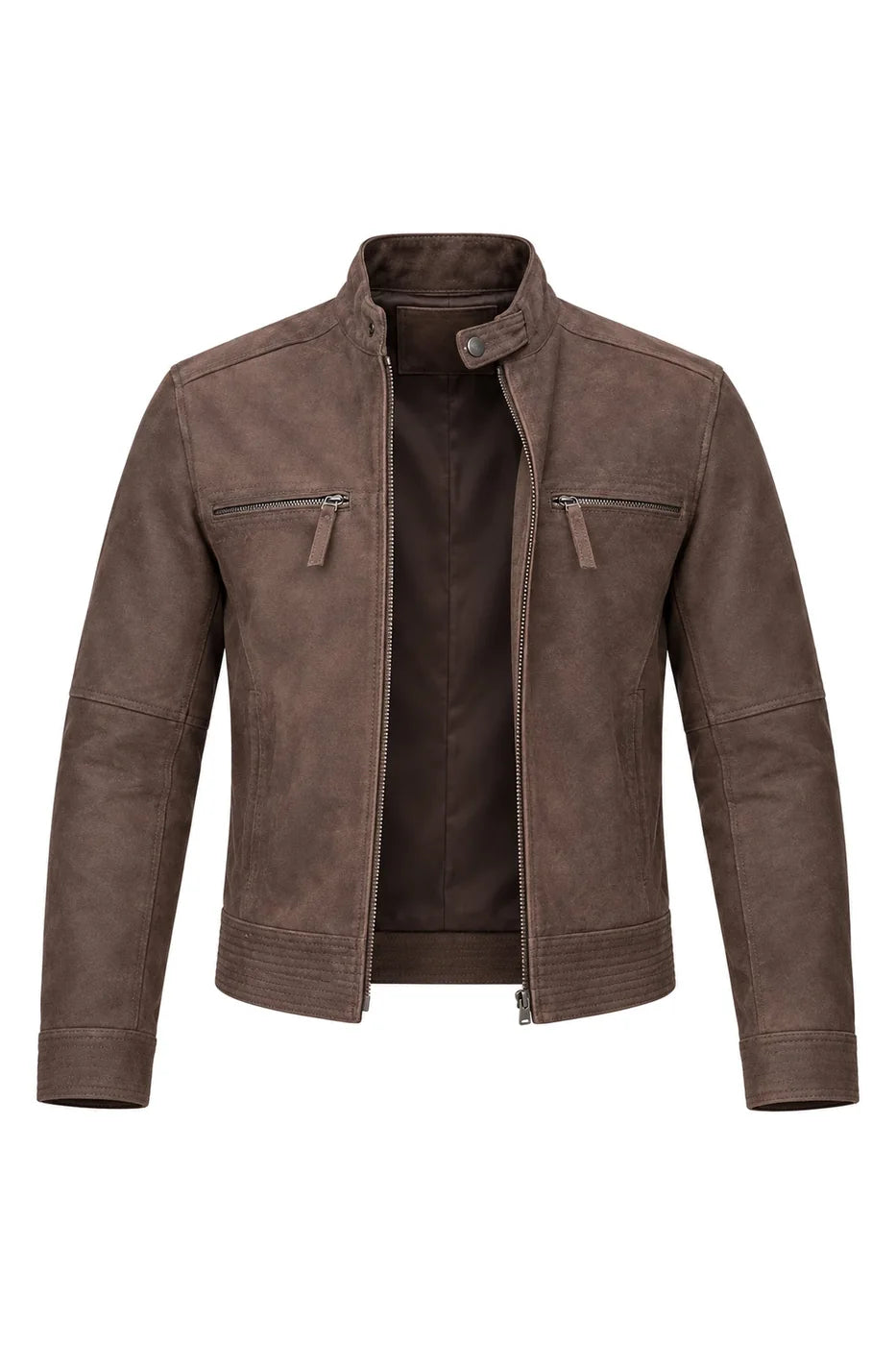
Leather & finishes
Dry, velvety and softly textured under the hand.
Suede describes a napped leather surface rather than one animal species. That soft, raised texture gives colour an unusually gentle depth, with slight changes in tone as the fibres move. A suede jacket can therefore look more relaxed and tactile than a comparable style in smooth leather.
The collection includes classic suede jackets as well as pieces where lambskin or buffalo is named alongside the finish. When only suede is specified, the hide type should be checked on the individual garment. For choosing a look, focus on the nap, colour and cut; for care, the suede surface is the essential detail.
The nap can flatten with repeated pressure, and liquids may leave visible rings. Variations in the direction of the nap are normal.
Keep liquids, oils and aggressive rubbing away from the nap.
Refined, matte leather with a relaxed, tactile character.
Composition and care vary by garment. Check the product details and care label, or ask our team about your piece.

Shearling
Velvety on the outside, with the familiar depth of attached wool.
Suede-finish shearling keeps the same leather-and-wool relationship as classic shearling, with a softly napped exterior. The matte surface absorbs light gently and makes colour feel deep and understated. It is a finish of the sheepskin, rather than a separate animal or an added synthetic suede layer.
Daniel’s Leather uses this finish in longer coats as well as jacket shapes. A three-quarter women’s style combines the suede shearling body with fox at the collar and cuffs, showing how several textures can share one garment. The main body, wool interior and additional fur trim each contribute to the final look.
Water and oils can mark the suede face. A coat with added fox or other fur should be cleaned as a complete mixed-material garment.
Protect the suede face while caring for the attached wool and any trim.
A softer-looking shearling coat with a matte, tactile finish.
Composition and care vary by garment. Check the product details and care label, or ask our team about your piece.
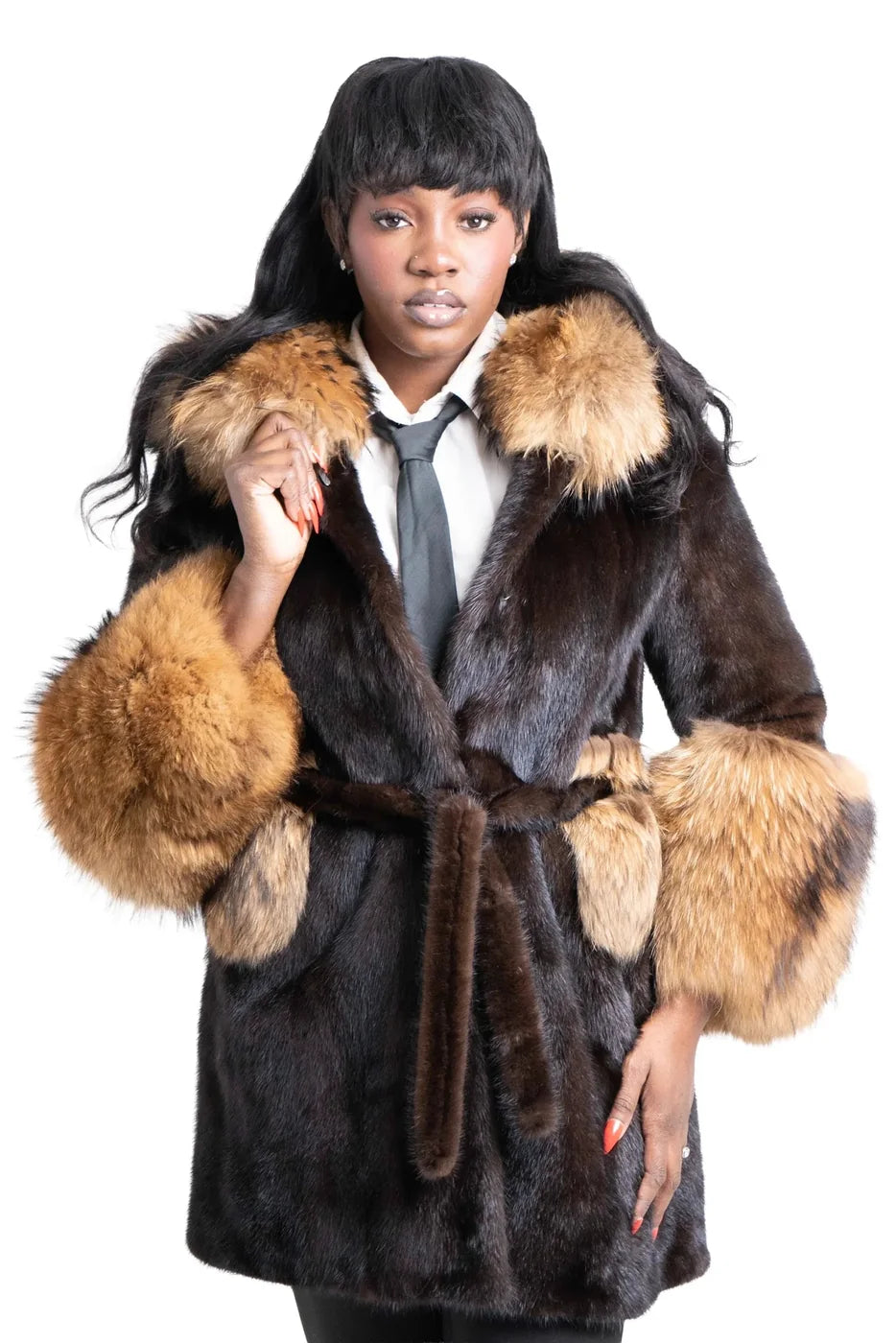
Fur
Long-haired and expansive, with a lively surface that moves with the garment.
Tanuki is a name associated with raccoon dog, a distinct animal from both a true fox and a raccoon. In fur, its long-haired character creates a full, lively surface. The movement and depth of the hair make it especially noticeable in generous sleeves and strongly shaped outerwear.
Daniel’s Leather uses Tanuki as a material name on selected statement pieces, including a double-sleeve style. Because trade names can vary, the team can confirm the exact fur used in your chosen garment. Choose the look for its volume and texture, and check the material description separately from any colour name.
Confirm the exact composition of the selected piece. Tanuki can also appear as a colour name on faux fur, which is a different material.
Preserve the full pile by limiting friction and compression.
Full sleeves and a bold, long-haired silhouette.
Composition and care vary by garment. Check the product details and care label, or ask our team about your piece.
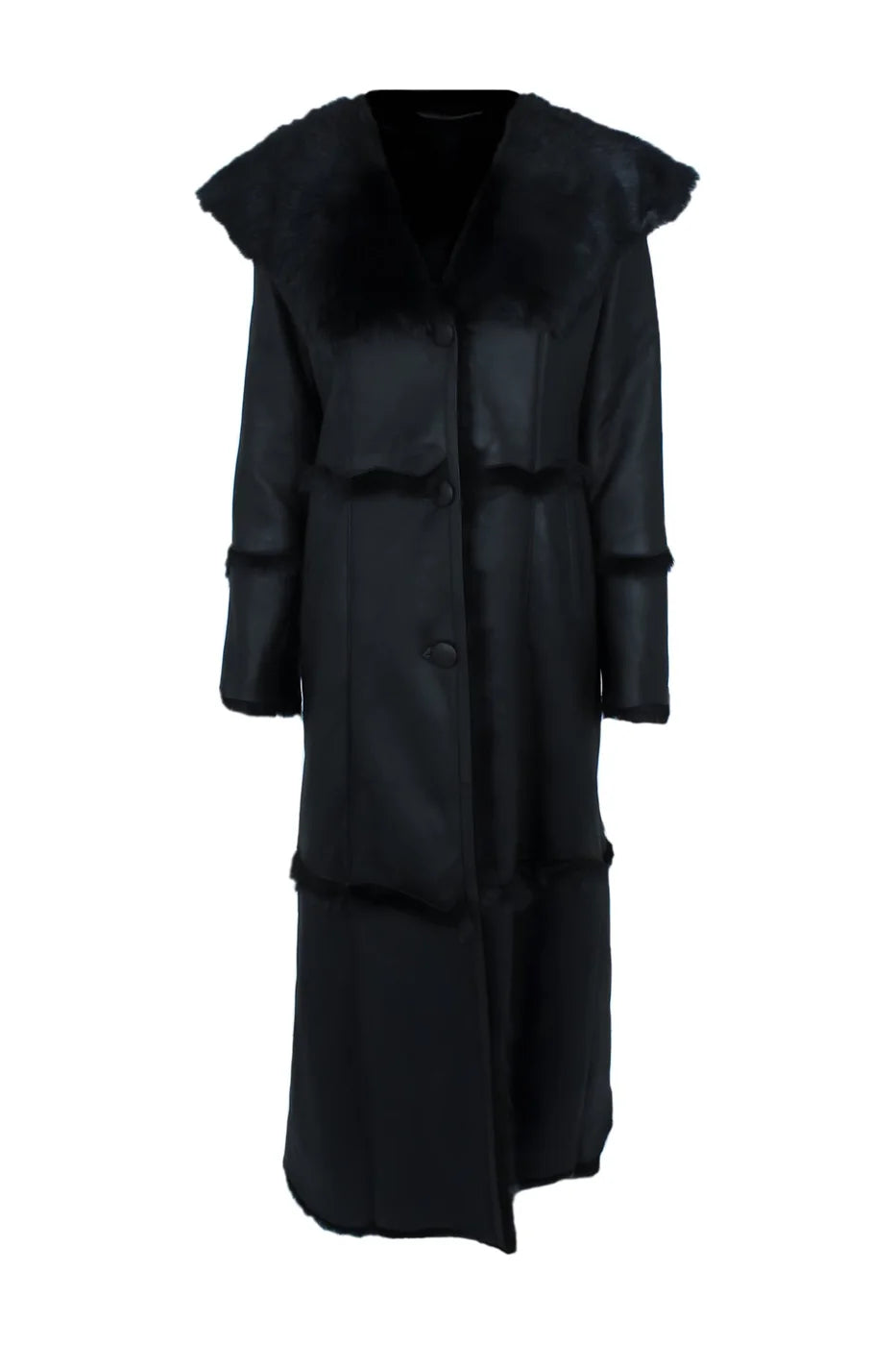
Shearling
Long, silky wool with a flowing, softly enveloping presence.
Toscana shearling is recognised for a longer, silkier wool appearance than the compact fleece seen on many classic shearling jackets. That length adds movement and makes the material especially expressive around a collar, hood or open front. The wool remains attached to the skin, so it is still a shearling construction.
Daniel’s Leather offers Toscana in substantial silhouettes, including a full-length hooded coat. The long wool can frame the face and soften the edges of the garment while the leather side supplies shape. Consider the proportions of the complete coat as well as the generous texture when choosing your style.
Long wool needs breathing room and protection from rubbing. The silhouette may feel more voluminous than a closely shorn shearling style.
Preserve the long wool’s movement without aggressive brushing or heat.
Flowing collars, generous hoods and dramatic longer shearling coats.
Composition and care vary by garment. Check the product details and care label, or ask our team about your piece.
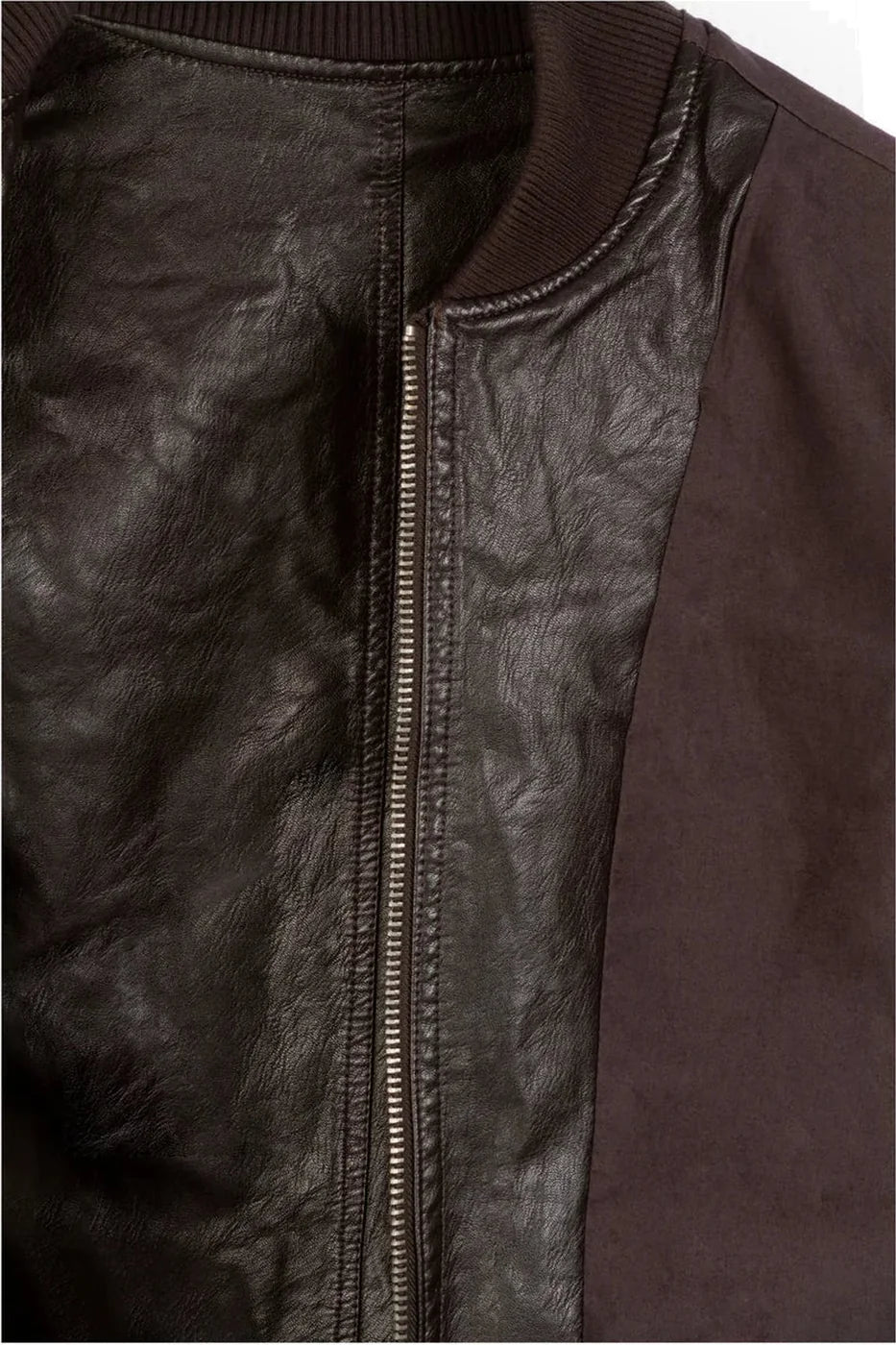
Leather & finishes
A smooth leather-like surface whose softness and weight depend on its construction.
Faux or vegan leather describes an alternative to animal hide, rather than one universal recipe. A polyurethane, or PU, construction is explicitly named on selected Daniel’s Leather styles. Other faux leather garments may use different layers or coatings, so the composition of the individual piece remains the best guide.
In the collection, these surfaces appear in contemporary jackets and graphic varsity designs where colour, embroidery and shape lead the look. They require their own care approach: traditional leather oils are not a substitute for the garment instructions. When a jacket combines different materials, check the full composition as well as the outer panels.
Coatings can react to heat, solvents and sharp folds. A vegan leather panel does not by itself describe every lining, trim or other component of a mixed-material jacket.
Follow the coating’s care instructions instead of using natural-leather treatments.
A leather-like aesthetic in a confirmed alternative-material style.
Composition and care vary by garment. Check the product details and care label, or ask our team about your piece.

Wool & textiles
A textile hand that can be softly draped or firmly structured, depending on the weave and blend.
Wool’s naturally crimped fibres help create loft and resilience within a textile. In a coat, the weave, weight and finishing determine whether it feels soft and flowing or more firmly structured. A blend adds another variable, so the percentage of wool and the other fibres matter alongside the material name.
Daniel’s Leather uses wool in longer coats and in varsity bodies paired with leather sleeves, fur collars or graphic details. Those combinations are part of the design’s appeal. They also mean that a care method suitable for a plain wool fabric may not suit the complete jacket.
Wool content, weave and lining influence the final feel. Added leather, fur and decoration can determine how the whole garment must be cleaned.
Follow the complete garment label, especially on wool pieces with leather or fur.
Tailored textile coats and varsity jackets with contrasting materials.
Composition and care vary by garment. Check the product details and care label, or ask our team about your piece.
A CLOSER UNDERSTANDING
Construction shapes the garment. Finishing changes the pile. A mink piece can combine both—for example, let-out construction with a sheared surface.
Matched pelts
Prepared pelts are matched and joined in sections. Their arrangement creates visible rows, panels or directional lines across the piece.
Fine diagonal cutting
A pelt is cut into fine diagonal strips and resewn into a longer, narrower shape, supporting long, fluid lines.
Patterned assembly
Smaller mink sections form patterned panels. The part of the pelt and the stitching influence the texture and drape.
Full-skin mink may be worked skin-on-skin or let out. Let-out does not mean leftover pieces; construction names alone are not quality grades.
Different sections create different surface patterns.
Look at the completed piece’s matching, seams and movement.
Sheared and plucked fur expose more underfur. Protect these finishes from moisture and friction, and follow the exact garment’s care instructions.
CARE FOR THE COMPLETE PIECE
Follow the garment’s care label.
Consider the material and the finish together.
Let the finish guide care, keeping smooth leather clean, supported and away from direct heat.
Preserve the soft nap with gentle handling, careful drying and products approved for suede.
Protect the attached wool while matching any leather treatment to the garment’s exact finish.
Care for the velvety face and attached wool together, preserving texture without oils or heat.
Give fur breathing room, protect the pile from friction and leave cleaning to a specialist.
Keep textiles fresh between wears and let the complete garment determine the cleaning method.
Protect constructed pile and coatings from direct heat, heavy pressure and unsuitable cleaning products.
Let the most delicate material and the full garment label guide your care.