



Leather Jackets and Sustainability: What Buyers Should Know in 2026
Sustainability is no longer a trend. In 2026, it has become a deciding factor for many buyers, especially in fashion. Consumers are asking deeper questions about where products come from, how long they last, and what impact they have over time. Leather jackets often sit at the center of this conversation, surrounded by misconceptions and mixed opinions.
Understanding sustainability in leather is not about simple labels. It is about longevity, responsible sourcing, craftsmanship, and how a product fits into a long-term wardrobe rather than a short trend cycle. At Daniel’s Leather NYC, sustainability is viewed through this broader and more realistic lens.
Rethinking Sustainability Beyond “Vegan” Labels
In recent years, many brands have promoted synthetic alternatives as sustainable options. While these materials avoid animal hides, they are often plastic-based and derived from petroleum. Over time, they crack, peel, and contribute to microplastic waste.
Genuine leather, when sourced responsibly and crafted well, offers a different kind of sustainability. It is durable, repairable, and designed to last for years rather than seasons. A jacket worn for a decade creates far less waste than multiple fast-fashion replacements.
Longevity as the Core of Sustainable Fashion
One of the most overlooked aspects of sustainability is product lifespan. Leather jackets are inherently long-lasting when properly made and cared for. High-quality leather does not deteriorate quickly. Instead, it improves, developing character and softness with wear.
This is why leather jackets are often considered investment pieces rather than disposable fashion. Sustainability in 2026 increasingly favors fewer purchases of higher quality items that remain relevant and functional over time.
Responsible Use of Natural Materials
Leather is a natural byproduct of the food industry. When hides are responsibly sourced and fully utilized, they prevent waste and extend the lifecycle of materials that would otherwise be discarded.
Unlike synthetic fabrics, leather is biodegradable under the right conditions and does not release microplastics into the environment. This natural origin plays an important role in sustainability discussions moving forward.
Craftsmanship Reduces Waste
Fast-fashion outerwear is produced at scale, often with little emphasis on repairability or longevity. Once damaged, these garments are usually discarded. Leather jackets, however, can often be repaired, reconditioned, or altered.
Skilled craftsmanship ensures seams hold, leather ages evenly, and jackets remain wearable for many years. This repair-friendly nature significantly reduces waste over time.
At Daniel’s Leather NYC, construction quality is treated as part of sustainability. A jacket that lasts longer automatically reduces environmental impact.
Why Fast Fashion Conflicts with Sustainability Goals
Fast fashion relies on rapid turnover. Styles are designed to be replaced, not maintained. Synthetic materials dominate production because they are cheap and fast to manufacture, but they degrade quickly.
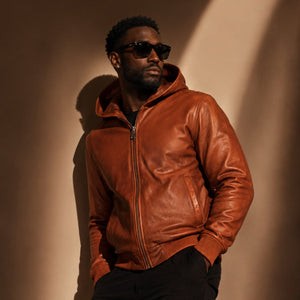
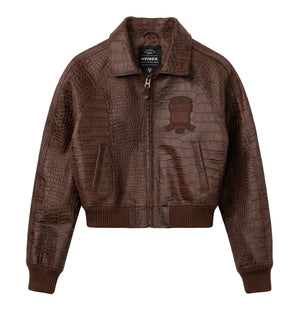
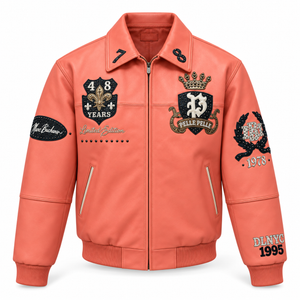
Luxury leather jackets stand in direct contrast to this model. Styles such as biker leather jackets and leather bomber jackets remain relevant year after year, reducing the need for constant replacement.
Shearling and Winter Sustainability
Winter outerwear often requires insulation, and shearling offers a natural alternative to synthetic padding. Shearling leather jackets provide warmth through natural wool fibers that regulate temperature and remain effective for many seasons.
Synthetic insulation tends to lose loft and warmth over time, leading to frequent disposal and replacement. Natural materials maintain performance longer when properly cared for.
Care and Storage as Part of Sustainability
Sustainability does not end at purchase. How a jacket is cared for affects its lifespan. Proper conditioning, storage, and occasional maintenance allow leather jackets to remain wearable for decades.
When buyers invest time in caring for their jackets, they reduce the need for replacements and contribute to a more responsible consumption cycle.
The Role of Informed Buying Decisions
In 2026, sustainable fashion is increasingly driven by informed buyers. Understanding materials, construction, and long-term performance allows consumers to make decisions aligned with their values.
Choosing quality over quantity is one of the most effective ways to reduce environmental impact. Leather jackets, when selected thoughtfully, align well with this mindset.
How Daniel’s Leather NYC Aligns with Sustainable Values
At Daniel’s Leather NYC, sustainability is reflected in material selection, craftsmanship, and design philosophy. Jackets are created to last, not to follow short-term trends. This long-term approach reduces waste and encourages responsible ownership.
Both men’s leather jackets and women’s leather jackets are designed with durability and timeless appeal, allowing customers to build wardrobes that evolve rather than expire.
Final Thoughts: Sustainability Is About Longevity and Responsibility
Sustainability in leather fashion is not about absolutes. It is about making realistic, responsible choices. A well-made leather jacket that lasts for years, can be repaired, and remains stylish over time is often a more sustainable option than disposable alternatives.
In 2026, buyers are looking beyond surface claims and focusing on real impact. When craftsmanship, material integrity, and long-term wear are prioritized, leather jackets continue to hold a meaningful place in sustainable fashion.
To explore outerwear designed for longevity and responsible ownership, visit Daniel’s Leather NYC and discover jackets built to last well beyond trends.